Trying to choose between Back Bay and the South End can feel like picking between two great versions of city living. Both are central, beautiful, and packed with amenities, yet the daily rhythm on each side of Mass Ave feels different. You want a clear picture of what life actually looks like on the ground, from your morning commute to where you grab coffee or unwind after work. This guide compares daily life so you can match the neighborhood to your routine. Let’s dive in.
Back Bay vibe at a glance
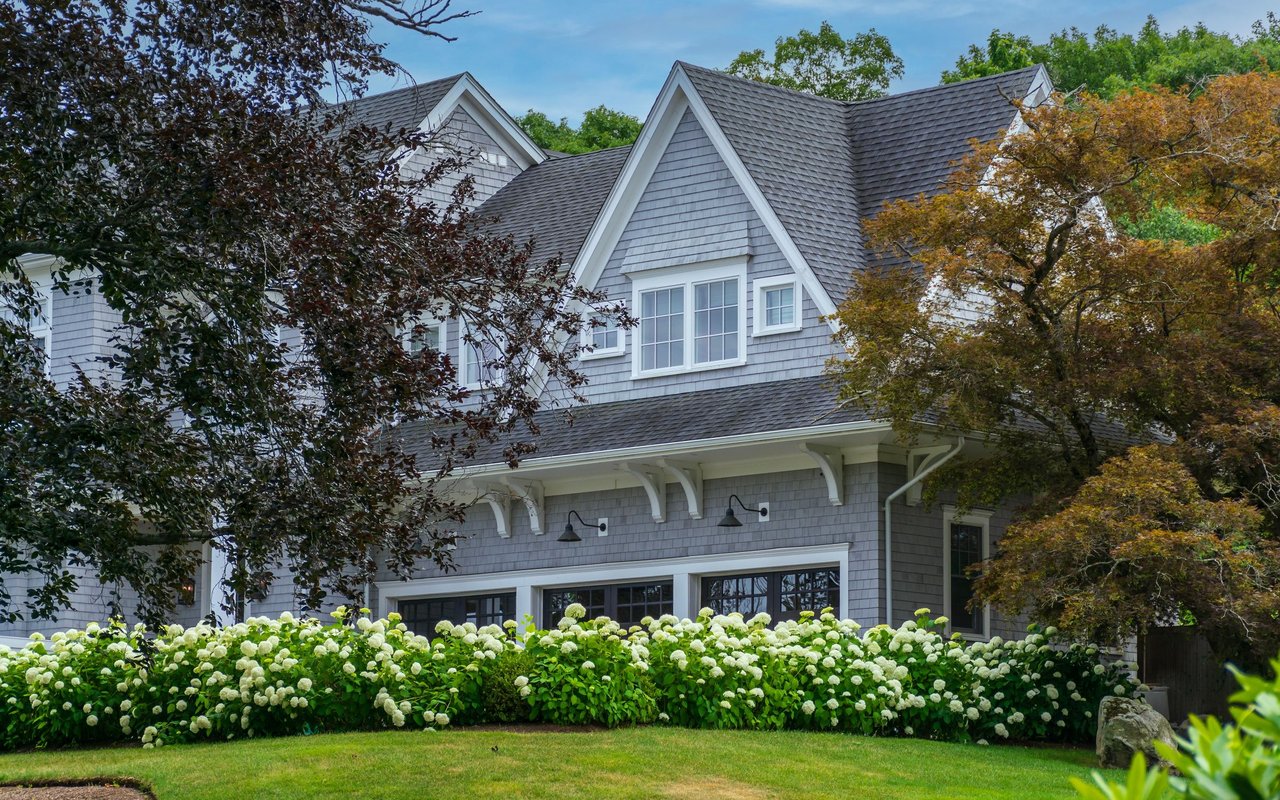
Back Bay feels polished and planned, with long, straight avenues and a sense of grandeur. Commonwealth Avenue, Newbury Street, and Boylston Street create a classic urban boulevard experience with wide sidewalks and steady retail frontage. You see grand brownstones, limestone façades, and a few high-rise towers around Copley and the Prudential area. The regular grid makes it easy to navigate and lends a spacious, open feel.
South End vibe at a glance
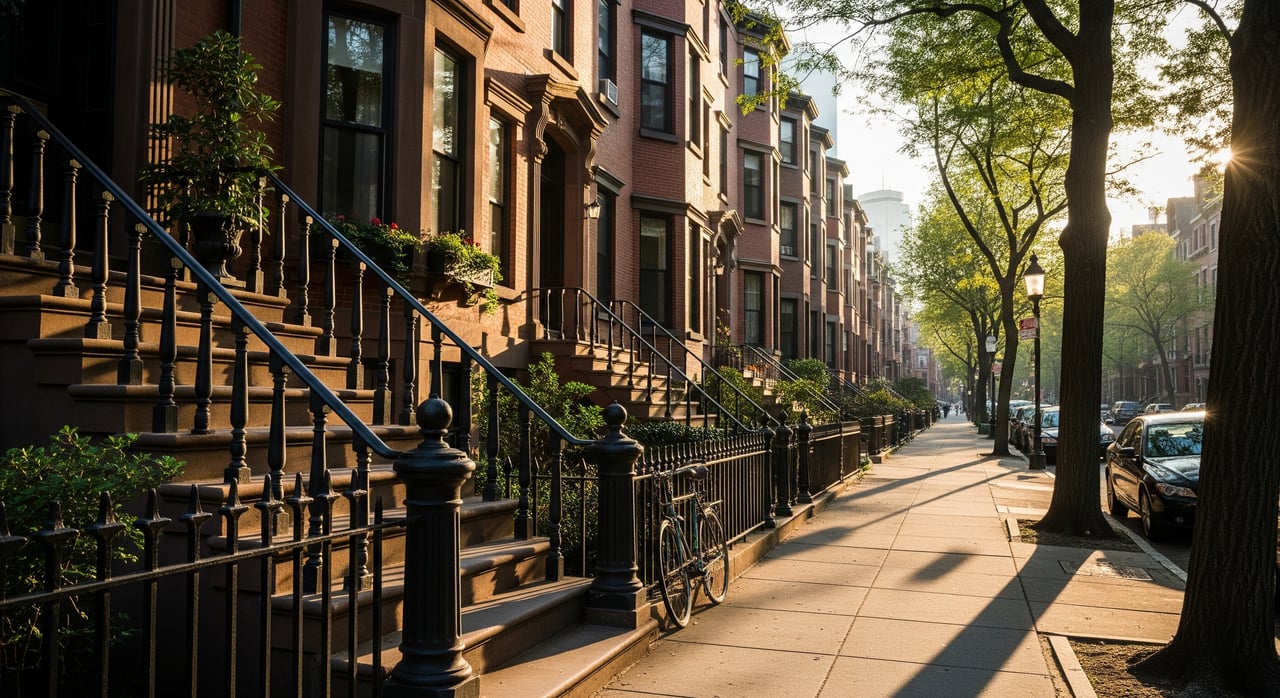
The South End is intimate and residential in scale, with Victorian brick rowhouses, ironwork stoops, and smaller blocks that invite slow walks. You’ll notice pocket parks and small squares woven into the grid, plus courtyards and carriage house conversions tucked on side streets. The result is a neighborhood that feels close-knit and village-like. You find local cafés, galleries, and specialty shops steps apart.
Walkability and transit access
Both neighborhoods are highly walkable, and many daily errands can be done on foot. Back Bay’s broad avenues and linear retail corridors make window shopping easy and efficient. The South End’s tighter street grid puts a mix of small businesses, bakeries, and markets within quick, short-range walks.
Transit access is excellent in both areas. Back Bay has a major regional rail hub at Back Bay Station plus direct Orange Line access, which is a big advantage for suburban commuters and cross-city trips. The South End offers strong bus and Silver Line connections and is within easy walking distance to downtown, theatres, hospitals, and Back Bay’s rail hub.
Cycling feels different in each place. Back Bay’s wide streets and proximity to the Esplanade suit longer rides and runs. The South End’s calmer side streets are great for quick bike trips and neighborhood errands.
Dining and nightlife
You’ll eat well in either neighborhood, but the vibe varies. Back Bay leans polished, with upscale dining, hotel restaurants, and well-known chains along Newbury and Boylston. It’s a strong choice for business dinners and lounges in hotel settings.
The South End is known for chef-driven, independent spots, bistros, and neighborhood restaurants where you settle in for a long meal. Brunch culture is strong, and you’ll find cozy bars and wine bars tucked into side streets. Nightlife here tends to feel more intimate and neighborly.
Shopping and daily errands
If you like long retail runs and flagship stores, Back Bay is the winner. You have Newbury Street boutiques, Boylston’s larger brands, and connected indoor shopping at Copley Place and the Prudential Center. Window shopping can fill an afternoon without repeating storefronts.
In the South End, shopping is more locally curated. Expect independent boutiques, design stores, galleries, and specialty food purveyors clustered on smaller blocks. Grocery options exist in both neighborhoods, but the South End leans toward smaller markets and specialty stores, which works well for frequent, smaller trips.
Parks and outdoor time
Back Bay gives you big, iconic green spaces. The Commonwealth Avenue Mall is a beautiful tree-lined promenade. The Public Garden sits at the neighborhood’s edge, and the Charles River Esplanade offers miles of running and biking along the water, plus seasonal events and boating access.
The South End spreads its green space across many pocket parks, community gardens, and small squares. You get a park-on-every-block feel that is perfect for short walks, playground stops, and a quick coffee outside. For larger athletic fields, you can reach options in nearby neighborhoods.
Driving and parking reality
Car ownership is less common among professionals in both areas because of parking costs and limited curb space. Expect on-street permit programs, paid garages, and occasional circling for a spot. Monthly garage rates vary, and availability depends on your address and building.
Back Bay offers more direct east to west connections to the Charles River and turnpike corridors, which can help if you drive regularly. The South End is very central, though daily driving still faces city traffic and one-way streets. If you plan to keep a car, confirm garage options and permit rules before you sign a lease or purchase.
Housing types and buildings
Back Bay offers a mix of high-end condos in converted brownstones, mid-rise buildings, and some luxury high-rise towers. Many buildings offer doorman or concierge services and centralized amenities. That full-service setup simplifies daily life for people who want convenience and building staff.
The South End is dominated by Victorian rowhouses and low to mid-rise buildings with more townhouse-style living. Many homes are multi-family condo conversions, often with independent entries and stoops that foster a neighborhood feel. You’ll find fewer high-rise luxury towers and more variety in building formats and association sizes.
Costs and market patterns
Both neighborhoods are expensive by Boston standards. Back Bay often carries a premium for landmark addresses and full-service buildings. The South End is also pricey, yet it includes a wider spread of price points across condo conversions and townhouse-style units.
For current pricing, inventory, time on market, and rent ranges, use recent 12-month neighborhood data. Rolling metrics give better context than month-to-month swings. An agent who tracks both markets can show how unit type and building services drive value on a given block.
Renovation, rules, and monthly fees
Historic district protections are part of life in both neighborhoods. Exterior work, including windows and cornice restoration, often requires approvals that add time and cost. This is a major reason the streetscapes remain so consistent and beautiful.
Monthly carrying costs vary widely. Back Bay’s full-service buildings usually come with higher condo fees to support staff and amenities. South End associations range from small, self-managed boards with modest common charges to larger associations with more services.
Commute scenarios to compare
- You take commuter rail often: Back Bay Station makes Back Bay especially convenient.
- You walk to downtown or the theatre district: Both work, but many South End addresses sit a short walk away.
- You work near hospitals or medical centers: The South End is very convenient for those destinations, with bus and Silver Line routes in play.
- You need Orange Line access: Back Bay has direct service, and many South End locations are a quick walk to nearby stations.
A morning in each neighborhood
In Back Bay, you might jog along the Esplanade, grab coffee on Newbury, and catch the Orange Line or commuter rail at Back Bay Station. Evenings can be a quick walk to a hotel lounge or a sit-down dinner on Boylston. Weekend plans often mix longer runs, museum visits, and shopping under one roof.
In the South End, you might stroll to a local café on a side street, pass by a pocket park, and take a short bus ride or walk to downtown. Evenings revolve around neighborhood restaurants and cozy bars where staff remember your order. Weekends bring farmers’ markets, gallery openings, and long brunches that spill into the afternoon.
Which neighborhood fits you
- Choose Back Bay if you value grand boulevards, full-service buildings, and direct regional rail access. You like longer retail corridors and large parks within a quick walk.
- Choose South End if you want intimate streets, independent dining, and a neighborhood-scale lifestyle. You prefer pocket parks, smaller shops, and townhouse-style homes.
Both choices deliver an urban, walkable lifestyle. The right fit comes down to your commute, how you like to run errands, and whether you want a full-service building or a classic rowhouse.
How Prime Realty can help
Every block has nuances that affect your day-to-day life. Building services, condo rules, garage access, and even which side of a street you face can matter. Prime Realty’s team tracks both markets closely and can benchmark comparable buildings, evaluate monthly costs, and surface listings that match your routine and budget.
If you are buying, we help you weigh building services against fees and long-term value. If you are renting or investing, we can align location, amenities, and tenant demand to your objectives. When you are ready to compare units on the ground, we will walk you through each neighborhood’s trade-offs with clear data and straightforward advice.
Ready to find your fit between Back Bay and the South End? Connect with the local team that knows both markets in depth. Schedule a free market consultation with Prime Realty.
FAQs
Is Back Bay or the South End more walkable?
- Both are highly walkable; Back Bay favors long retail corridors and large parks, while the South End offers short, quick walks between cafés, pocket parks, and local shops.
How does commuter access differ between the two?
- Back Bay has the regional rail hub at Back Bay Station plus Orange Line access; the South End relies on strong bus and Silver Line service and is within easy walking distance to downtown and nearby stations.
What is parking like in Back Bay and the South End?
- Expect on-street permits, paid garages, and limited curb space in both; Back Bay can offer more direct access to major east to west routes, but availability varies by block and building.
How do housing options compare for daily living?
- Back Bay features more full-service and high-rise options with amenities; the South End leans toward rowhouse and townhouse-style condos with a neighborhood feel.
Which neighborhood has better dining and nightlife?
- It depends on your taste; Back Bay leans polished with upscale and hotel dining, while the South End is known for chef-driven, independent restaurants and intimate bars.
How do the parks and outdoor spaces differ?
- Back Bay offers large destination spaces like the Public Garden, Commonwealth Avenue Mall, and the Esplanade; the South End offers many small parks and gardens spread throughout the neighborhood.