Wondering which Somerville district fits your routine best? If you are choosing between Davis, Union, and Assembly, the answer is less about which one is "best" and more about how you want your day-to-day life to feel. Each area offers a different mix of transit, housing, street life, and development energy, and understanding those differences can help you make a smarter move. Let’s dive in.
How Somerville Breaks Down
Somerville describes itself as a city of more than 20 squares, each with its own mix of housing and businesses. That matters because living in Somerville is often about choosing a square, not just a street.
For many buyers, renters, and owners, Davis, Union, and Assembly stand out because they represent three distinct versions of city living. Davis feels established and transit-centered, Union feels active and evolving, and Assembly feels modern and purpose-built.
Davis Square at a Glance
Davis Square is the most established of the three. It is a classic Somerville hub with strong transit access, older neighborhood fabric, and a walkable commercial core that still feels tied to residential side streets.
The city describes Davis as a food and entertainment destination, a transit hub, and a key point on the Community Path. Before the pandemic, Davis Square handled roughly 12,000 weekday Red Line boardings, which helps explain why the area remains one of Somerville’s most recognized transit-oriented locations.
What daily life feels like in Davis
If you want a neighborhood that feels plugged into the rest of Greater Boston, Davis has a clear edge. Its combination of rail access, small businesses, and established foot traffic makes it easy to picture a routine built around walking, transit, and nearby essentials.
The commercial core includes long-running destinations such as Somerville Theatre, along with restaurants and cafes like American Flatbread, Oginger, Saigon Tiger, Mike’s Food and Spirits, Nine Bar Espresso, and Los Amigos. That mix gives Davis a familiar, lived-in feel rather than the polished feel of a newly built district.
What housing looks like in Davis
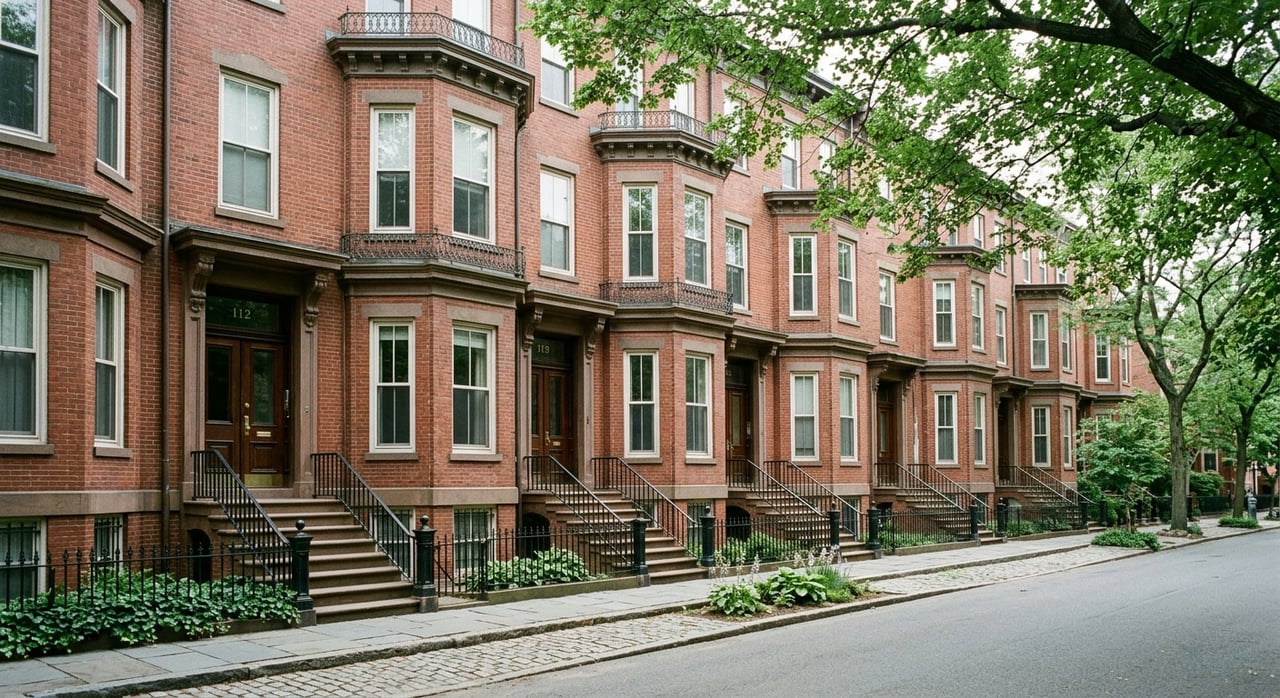
Official planning materials describe Davis as a transit-oriented neighborhood with a commercial core and residential development around the station. Historically common housing types include mid-rise apartment buildings, two-family homes, and three-family homes near the square.
That housing pattern is part of Davis’s appeal. You get a dense, walkable square, but you are still close to the smaller-scale residential streets that many people associate with classic Somerville living.
What to know about change in Davis
Even though Davis feels established, it is not frozen in time. The city is tracking a proposed 26-story, 502-unit apartment building at Elm and Grove, with 25% of units designated as affordable, which shows that demand remains strong.
For you, that means Davis blends stability with ongoing development pressure. It may feel more settled than Union or Assembly, but it is still very much part of Somerville’s growth story.
Union Square at a Glance
Union Square feels the most visibly in transition. It combines deep local identity with a fast-changing streetscape, a dense restaurant scene, and newer transit access that continues to reshape how the area functions.
The city describes Union Square as the social, cultural, and spatial heart of the neighborhood and Somerville’s oldest commercial district. Current plaza and streetscape work is designed to add open space, improve the public realm, and reinforce the square as a civic hub.
What daily life feels like in Union
If food, variety, and neighborhood energy matter most to you, Union Square has a strong case. Union Square Main Streets lists a wide range of dining options, including breweries, wine bars, bakeries, Korean, Japanese, Thai, Mexican, Peruvian, Indian, vegetarian, and sandwich spots, along with Bow Market vendors and neighborhood staples.
That concentration gives Union a very active street-level experience. Compared with the other two districts, Union reads as the most restaurant-rich and the most shaped by visible change happening in real time.
What transit looks like in Union
Union Square now has Green Line service, and it also connects to bus routes 85, 87, 91, and 109. That added transit access has increased convenience, but the broader public realm is still being rebuilt through plaza and streetscape work.
In practical terms, Union can feel exciting and dynamic, but not fully settled. If you like the idea of living in an area that is still evolving, that may be a plus rather than a drawback.
What housing looks like in Union
City materials describe Union Square as the commercial center of a primarily residential neighborhood. Around the square, you will find mixed-use and multi-story buildings along Bow Street and Somerville Avenue, with residential streets close behind the core.
Recent housing examples also show a mixed but increasingly newer supply. The city points to a 24-unit mixed-use project at 71 Bow Street, 11 income-restricted rentals at 346 Somerville Ave., and four affordable condo units at 71 Bow Street.
Assembly at a Glance
Assembly is the newest and most purpose-built of the three. It is less of a traditional square and more of a planned mixed-use district built around newer housing, retail, offices, and entertainment.
The city says Assembly Square was formerly an industrial site and now includes Assembly Row’s offices, shopping, and housing, along with longer-standing retail and light industrial uses near the Mystic River. The city’s 2025 neighborhood plan frames it as a major regional destination and innovation district.
What daily life feels like in Assembly
Assembly tends to appeal to people who want a more modern live-work-play setup. The district is organized around retail, food and drink, entertainment, services, fitness, and health and beauty, and it also hosts a farmers market and other programmed events.
That creates a different rhythm from Davis or Union. Rather than a classic small-square pattern, Assembly feels larger-scale, more planned, and more destination-oriented.
What transit and mobility look like in Assembly
Assembly has Orange Line service, and the city reports that Assembly Square station handled roughly 4,000 weekday boardings before the pandemic. The Somerville Community Path, an approximately 3.2-mile off-street multi-use path running through the city to east Cambridge, also adds another mobility option in the broader area.
For you, that means Assembly can work well if you value rail access but prefer a district built around newer infrastructure and internal amenities. It does not read like traditional Somerville in the same way Davis does.
What housing looks like in Assembly
The city’s 2025 Assembly Square plan envisions about 40% residential and 60% commercial built area, with around 20% affordable units in future development. That aligns with the district’s current pattern of larger mixed-use buildings rather than smaller two-family or three-family homes.
Recent city housing examples include a one-bedroom condo at Alloy in Assembly Row and income-restricted apartments at Miscela. In other words, Assembly’s residential market is centered on newer condo and apartment product.
Davis vs Union vs Assembly
Here is the simplest way to compare them if you are deciding where to focus your search.
| Area | Best known for | Transit identity | Housing feel | Overall vibe |
|---|---|---|---|---|
| Davis Square | Established Somerville living | Strong Red Line hub | Older multi-family and mid-rise mix | Classic, walkable, transit-first |
| Union Square | Dining and redevelopment energy | Green Line plus bus access | Mixed housing with newer projects entering the mix | Active, food-forward, evolving |
| Assembly | Newer mixed-use district | Orange Line access | Modern condos and apartments | Planned, polished, destination-like |
Which area may fit you best
If you want a classic Somerville square with an established transit identity, Davis may be your strongest match. It offers the clearest blend of walkability, older neighborhood fabric, and a long-standing commercial core.
If you want a neighborhood that feels active, social, and still on the rise, Union may stand out. Its restaurant concentration, Green Line service, and ongoing public realm work give it a lot of momentum.
If you prefer newer construction and a more curated mixed-use environment, Assembly may be the better fit. It offers a modern district feel that is distinct from Somerville’s older square pattern.
Why this comparison matters for your move
Choosing among Davis, Union, and Assembly is really about matching the location to your routine, housing goals, and comfort with change. Two areas can be equally appealing on paper but feel very different once you picture your commute, your weekends, and the kind of housing stock you want to target.
That is where local guidance can make a real difference. A neighborhood comparison is most useful when it is paired with current inventory, pricing context, and a realistic view of what your options look like on the ground.
If you are weighing Somerville neighborhoods and want clear, data-driven advice on where to focus, Prime Realty can help you compare options, evaluate available homes, and plan your next move with confidence.
FAQs
What is the biggest difference between Davis, Union, and Assembly in Somerville?
- Davis is the most established and transit-centered, Union is the most restaurant-rich and visibly changing, and Assembly is the newest and most purpose-built mixed-use district.
Which Somerville area has the strongest classic neighborhood feel?
- Davis Square is the clearest fit if you want a more traditional Somerville square with older residential side streets and a long-established commercial core.
Which Somerville area is best for newer housing options?
- Assembly has the strongest concentration of newer condo and apartment product, with larger mixed-use buildings shaping most of the district.
Which Somerville area feels most in transition right now?
- Union Square feels the most actively rebuilt, with Green Line access, current streetscape and plaza work, and a broader redevelopment agenda underway.
Which Somerville area has the strongest transit identity?
- Davis has the strongest transit identity of the three, anchored by the Red Line and roughly 12,000 weekday boardings before the pandemic.
Is Assembly more like a neighborhood or a destination district?
- Assembly reads more like a destination-style mixed-use district, with larger blocks, internal amenities, and a more planned layout than Davis or Union.