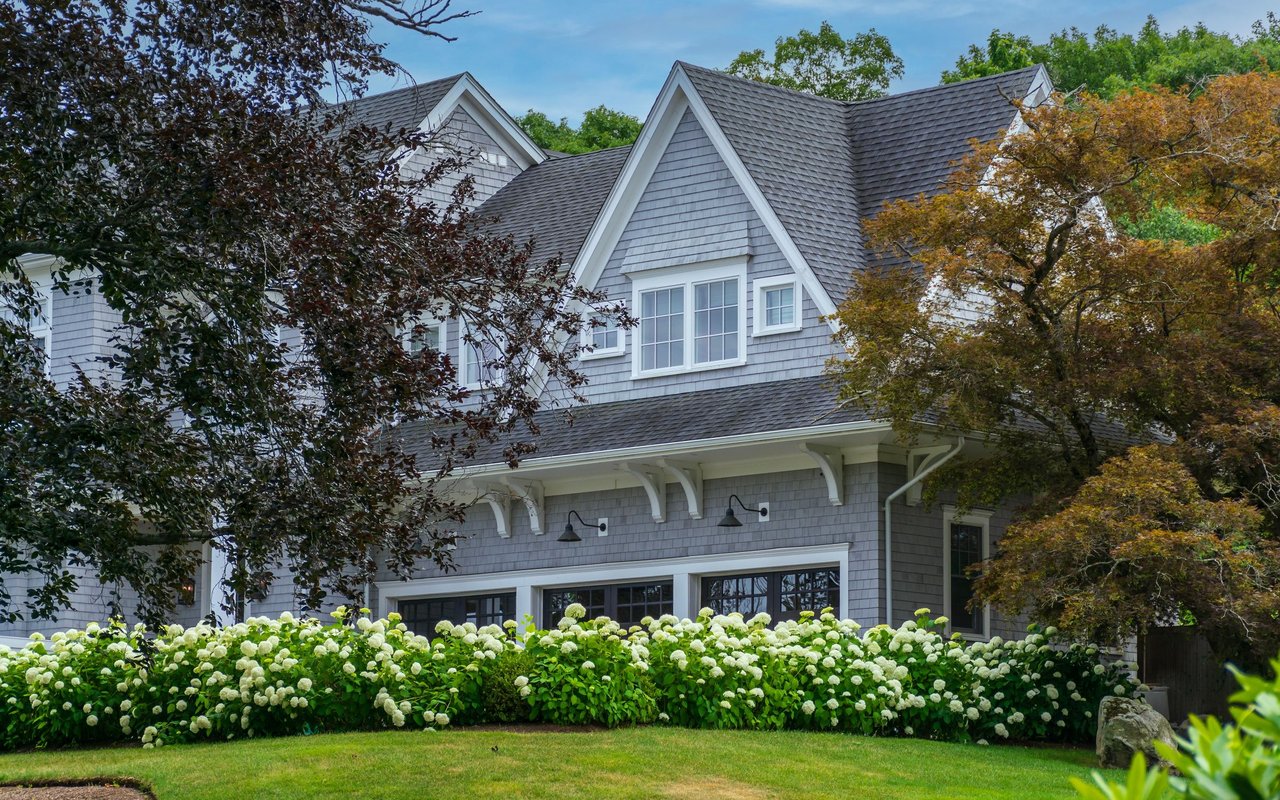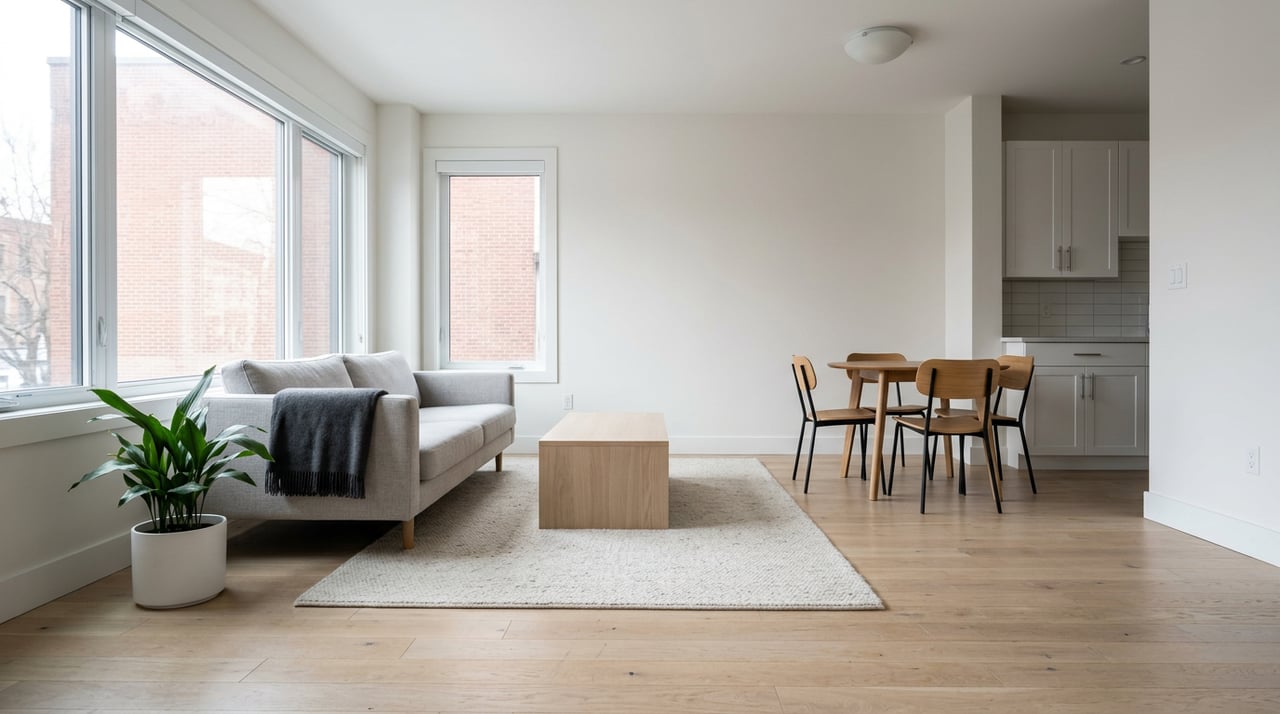
Thinking about trading your Brookline house for a low‑maintenance condo lifestyle? You are not alone. Many longtime owners want walkability, transit access, and less upkeep without giving up the best of city living. In this guide, you will learn how Brookline’s condo market works, what to expect from buildings and fees, how to plan your sale and purchase, and the due‑diligence steps that protect your investment. Let’s dive in.
Why Brookline works for downsizers
Brookline gives you urban access with neighborhood feel. It is its own town, even though it borders Boston. Always confirm the municipality on any listing, since taxes, services and school districts follow town lines, not a “Boston” mailing label. You can review transit and town context on the Town’s guide to Getting to Brookline.
On pricing, Brookline is a high‑demand market with limited inventory. Recent reports place overall median sale prices roughly in the 1.0 million to 1.3 million range, with condo medians in the high six figures to about 1.0 million depending on building type and location in 2025. For current town‑level trends and price context, see Brookline market trends. Prices vary by neighborhood and condo type, so expect a range rather than a single number.
Where to focus: micro‑neighborhoods
Coolidge Corner
If you want a lively, walkable hub, Coolidge Corner is a top pick. You will see prewar brownstone conversions with character and some mid‑rise buildings near the C Branch Green Line at Coolidge Corner and Saint Paul Street. One‑bedroom condos often run about 600 to 800 square feet, with two‑bedrooms ranging higher if you prefer more space. Tradeoffs include walk‑ups versus elevator buildings and whether laundry is in‑unit or common.
Brookline Village
Brookline Village centers on the D Branch with stops at Brookline Village and Longwood. You will find a mix of older buildings and newer construction with elevators, updated systems, and in‑unit laundry. Typical one‑bedroom floor plans run roughly 600 to 900 square feet; many two‑bedrooms span 900 to 1,400 square feet or more. Proximity to the Emerald Necklace and medical area adds convenience if health care access is a priority.
Chestnut Hill edge
Along the Chestnut Hill side, look for townhouse and garden‑style condominiums. These communities often include deeded or assigned parking and may have shared outdoor areas. Some clusters offer amenities such as a pool or tennis court. If you are used to a yard, this can be a nice middle ground without full single‑family maintenance.
What you trade: space, stairs and systems
Downsizing means adjusting your footprint. Plan an inventory of what goes with you, then measure major pieces against a likely condo layout. Hallways, door swings and elevator dimensions can limit large items on move‑in day.
Older walk‑ups can mean three flights of stairs for daily life and for every grocery run. Elevators add comfort but often come with move‑in fees and reservation windows. Ask for written building move policies early so you can book your date and reserve an elevator if needed.
Operating costs also shift. In some buildings, heat and hot water are included in monthly dues. Others meter utilities separately. Itemize your monthly budget so you can compare apples to apples across short lists.
Parking options that matter
On‑site parking in Brookline is valuable. Confirm whether a spot is deeded as part of the unit or assigned by the association. A deeded space can add materially to purchase price and resale appeal. If parking is assigned or rented, ask about waitlists and monthly costs.
If you plan to use street parking, Brookline runs a Resident Daytime Permit Parking program. Current guidance shows daytime resident permits at $30 per year. Policies for overnight and meter rules are posted by the town, so review the Resident Daytime Permit Parking details and factor parking into your decision.
Understanding condo fees and reserves
Monthly condominium dues typically cover common‑area maintenance, master insurance, landscaping and snow removal, and shared utilities or building systems. Coverage is building‑specific, so request the most recent budget and a line‑item description of what is included. Fees vary widely based on services and amenities.
Massachusetts law requires condo associations to maintain an adequate replacement reserve fund and to keep it in a separate account. You can review the statute at Mass. General Laws c.183A, Section 10. Adequate reserves help fund big projects like roofs, masonry, or elevators without frequent special assessments. Ask for recent financial statements, any reserve study or engineer report, and minutes from recent meetings to see how the board plans capital work.
Insurance also matters. Confirm whether the master policy is “walls‑in” or “walls‑out,” what deductibles apply, and what you need to carry on your own HO‑6 policy. Request the master policy declarations and recent loss runs, since lenders and insurers review building claims history. A focused primer on how master policies and HO‑6 coverage interact is available here: condo master insurance basics.
Financing, taxes and eligibility checks
If you plan to use FHA, conventional, or VA financing, condo project eligibility can affect your loan. Lenders review the building’s budget, insurance, owner‑occupancy and more. Some loans require project‑level approvals or allow spot approvals. Start early and ask your lender to review the building during pre‑approval. For FHA considerations, see the program overview at HUD’s single‑family partner page. For conventional loans, lenders rely on tools and guidance described by Freddie Mac in this condo project eligibility update.
On taxes, if you are selling a primary residence you may qualify to exclude up to $250,000 of gain if single or $500,000 if married filing jointly, subject to IRS rules. It is best to confirm details with your tax advisor. For the IRS guidance, review Publication 523, Selling Your Home. In Brookline, the Assessor’s pages outline the Community Preservation Act surcharge and the residential exemption. These can affect your effective tax bill, so verify current rules on the town site: CPA and Exemption overview.
Plan your move: sale and purchase sequencing
You have three main paths to align your sale with your condo purchase:
- Sell first. This is the most conservative financially because your net proceeds are known before you buy. The tradeoff can be a double move or short‑term rental.
- Buy first. Some owners use a bridge loan or existing equity to purchase the condo, then sell the house. This strengthens your offer but increases short‑term carrying costs. Compare fees, timing and risk with your lender.
- Use a rent‑back. If you sell first, you can sometimes negotiate a short post‑closing occupancy to bridge timelines. Here is a clear explainer on how rent‑backs work for both sides: rent‑back agreement basics.
A simple 6‑month game plan can keep you on track:
- Months 1–2: Prep and pre‑approval
- Meet with your agent to price the house and set a target list date.
- Get lender pre‑approval and ask about condo project review requirements.
- Build your must‑have list for the condo: elevator, parking type, in‑unit laundry, pet rules.
- Months 2–3: Go‑to‑market and short list
- List your house and begin condo tours in target areas.
- For promising buildings, request the condo packet early: budget, reserves, master policy, rules.
- Clarify move logistics and elevator reservation rules so timing is realistic.
- Months 3–4: Offers and alignment
- Choose your sequencing path: sell first, buy first, or sell with rent‑back.
- If buying first, confirm bridge or equity financing details with your lender.
- If selling first, explore rent‑back terms to avoid a double move.
- Months 4–6: Underwriting, moves and closings
- Complete condo project review, appraisal and unit inspection.
- Schedule movers who handle elevator buildings and secure your reservation.
- Coordinate interim housing or rent‑back details if needed.
Due‑diligence checklist for Brookline condos
Gather these documents early to cut surprises and speed underwriting:
- Master deed, bylaws, and rules and regulations to confirm pet, rental and alteration policies. See the condominium statute at Mass. General Laws c.183A, Section 10.
- Current budget and last 2–3 years of financials, including reserve account details.
- Any reserve study or engineer reports plus invoices for recent capital projects.
- Minutes of board meetings from the last 12–36 months to spot talk of assessments, repairs or litigation.
- Master insurance policy declarations and recent loss runs; confirm deductibles and exclusions. A quick primer is here: condo master insurance basics.
- Estoppel or status certificate that shows dues status, any arrears, transfer fees, and pending assessments.
Physical and technical checks:
- Building envelope and systems: roof age, masonry/façade condition, drainage, elevator condition.
- Mechanicals: how heat and hot water are produced and billed, and whether utilities are included in dues.
- In‑unit: look for any signs of moisture, electrical capacity for modern appliances, and kitchen/bath ventilation.
- Move logistics: confirm elevator size, reservation windows and any move‑in fees. For street‑parking logistics, review the Town’s Resident Daytime Permit Parking information.
Red flags that should pause a purchase:
- Very low reserve balances alongside known big projects without a funding plan.
- Master policy gaps or very high deductibles without a clear strategy for special assessments.
- High owner delinquency in dues or heavy investor concentration that can limit lending options.
Getting around: transit that supports condo living
Many Brookline condos sit near the MBTA Green Line. The C Branch serves Coolidge Corner, Saint Paul Street and Cleveland Circle. The D Branch serves Brookline Village, Longwood and Reservoir. If a car‑lite lifestyle is a goal, use the Town’s transit overview to map commute times and routes: Getting to Brookline.
Your next step
Downsizing in Brookline can deliver a simpler, walkable lifestyle, but success comes from planning and due diligence. Focus your search on the right building type, confirm parking and fees, review reserves and insurance, and align your sale and purchase timelines early. If you want a steady hand from pricing and prep through condo project review, financing coordination and move‑in logistics, connect with the local team that handles the details.
Have questions or want a tailored downsizing plan? Reach out to the advisors at Prime Realty to schedule a free market consultation.
FAQs
What should I budget for Brookline condo fees?
- Fees vary by building and amenities, from modest services to full elevator buildings with higher operating costs. Always request the current budget and list of inclusions before you make an offer.
How do Brookline resident parking permits work if I do not have a deeded space?
- The Town offers a low‑cost daytime permit program and posts rules for overnight parking and meters. Review details on the Town’s Resident Daytime Permit Parking page and factor availability into your decision.
Why are condo reserves important when downsizing?
- Massachusetts law requires an adequate reserve fund, and healthy reserves help cover big projects without surprise assessments. Ask for recent financials and any reserve study before you commit.
How does condo project eligibility affect my mortgage in Brookline?
- Lenders review the building’s finances, insurance and owner‑occupancy. Some loans need project approval or allow spot approvals, so ask your lender to review the building early. See FHA guidance at HUD’s info page and conventional context from Freddie Mac.
Can I exclude capital gains tax when I sell my Brookline house to downsize?
- If you meet IRS tests for a principal residence, you may exclude up to $250,000 of gain if single or $500,000 if married filing jointly. Confirm your specifics with a tax advisor and review Publication 523.
What is a rent‑back and when should I use it?
- A rent‑back lets the seller stay in the home for a short period after closing, which can help align your sale with a condo purchase. Learn how it works in this rent‑back explainer.