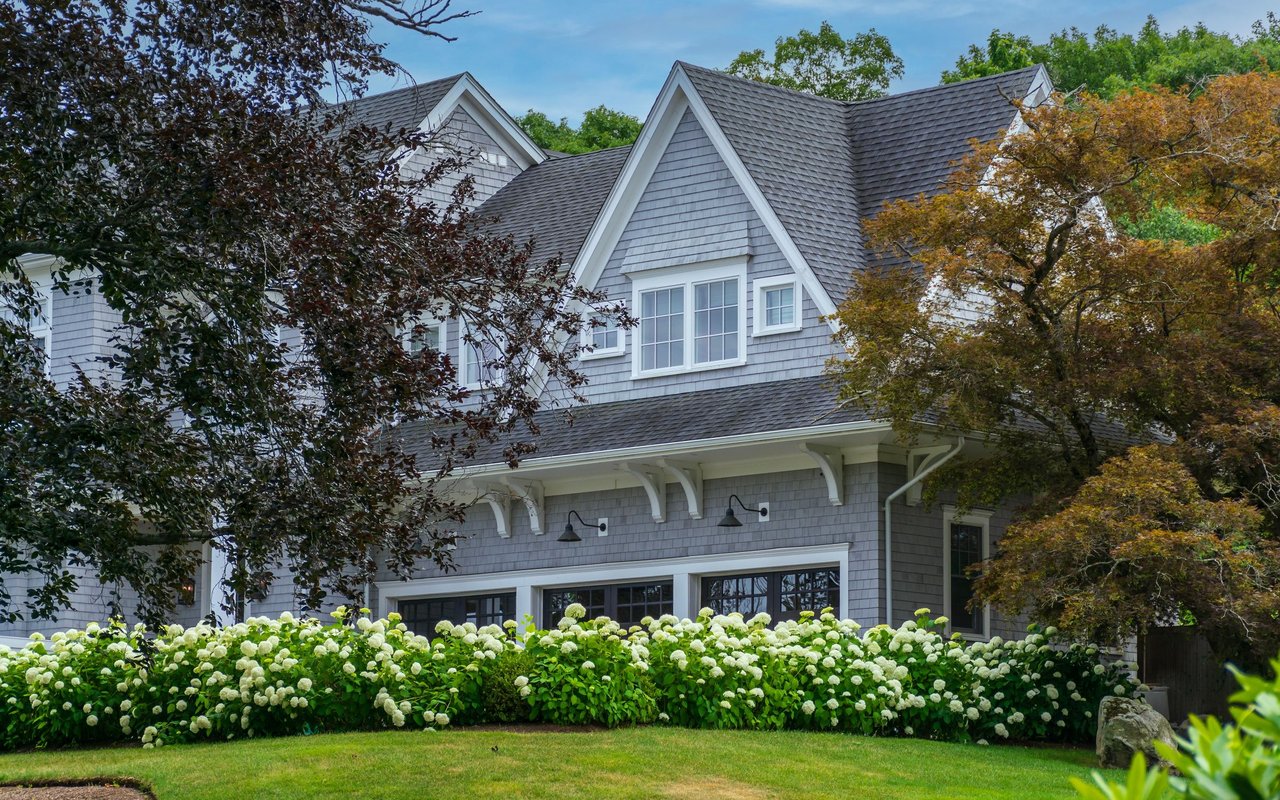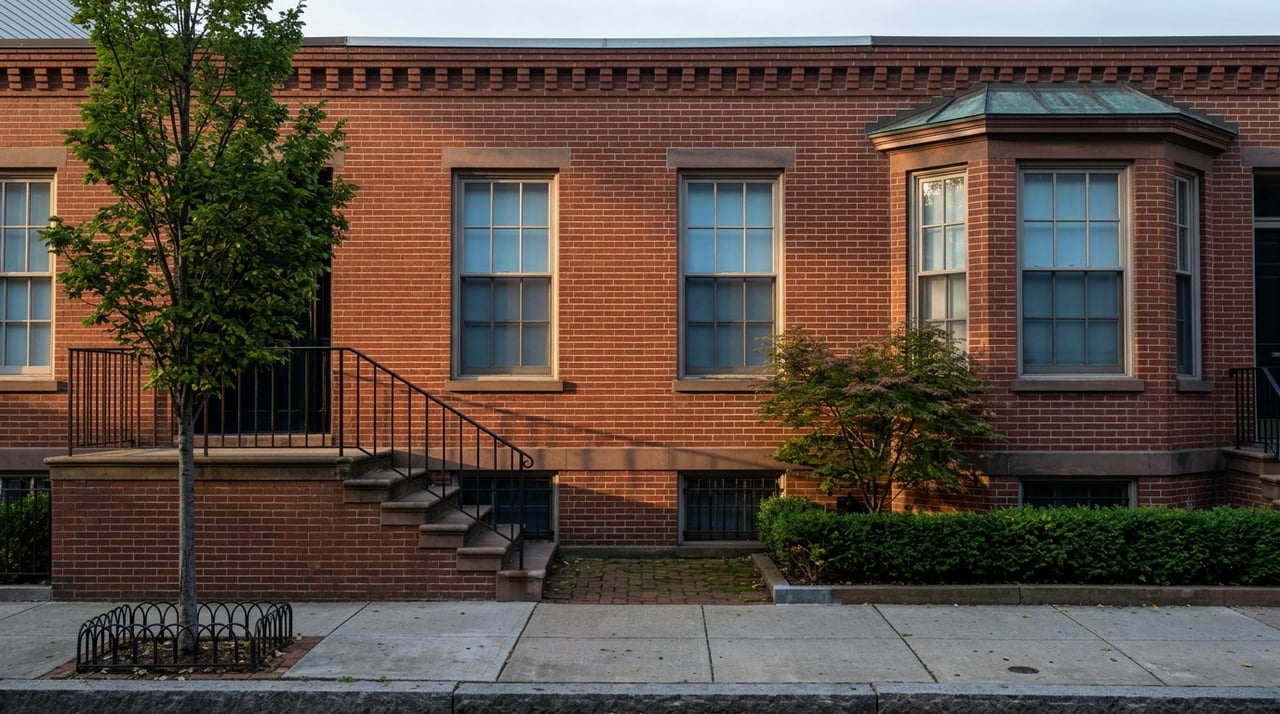
On September 15, the Boston Globe featured a two-bedroom condo near Harvard Square, priced at $900,000, tucked inside a 106-year-old building that had been split into just two units. It has a private deck, a shared garden, and a wraparound porch facing a quiet stretch of Concord Avenue. It is nothing like the glass-tower listings that dominate Kendall Square marketing, and nothing like the brick rowhouse conversions that define Central Square's older stock. It is, in other words, exactly the kind of property that gets erased the moment someone quotes you a Cambridge median.
That erasure is the actual story. Buyers comparing Harvard, Kendall, and Central Square are usually trying to answer the wrong question first. The square matters less right now than whether you're buying a condo or a single-family home, because those two markets are moving in opposite directions inside the same city, and the gap between them is wider than the gap between any two squares.
The Split Hiding Inside the Median
Ask for "the Cambridge market" and you'll get a blended number: a median sale price around $1.2 million over the three months ending in July 2026, down roughly 4.4 percent from the same period a year earlier, even as the median price per square foot rose about 3.6 percent and homes sold in a median of 21 days. That blend flattens two very different stories.
A broker analysis covering the first several months of 2026 broke the market out by property type, and the divergence is the real headline:
| Property type | Average sale price (early 2026) | Sale-to-list ratio | Notes |
|---|---|---|---|
| Single-family | ~$3.2M | ~101% | Still trading near or above asking |
| Condominium | ~$1.25M | ~97%, with days on market stretching to roughly 78 | Absorption fell from 95% in 2022 to roughly 30% by early 2026 |
| Multi-family | ~$2.3M | ~97% | Widest room for negotiation |
Single-family homes in Cambridge are still selling the way they did during the tightest years of the pandemic market. Condos are not. A condo absorption rate that fell from 95 percent in 2022 to roughly 30 percent by early 2026 means the share of active listings actually going under contract each month had dropped by two-thirds. That is not a market cooling evenly. It is a market where houses kept their heat and condos lost most of theirs, and Cambridge is a city where the vast majority of Harvard, Kendall, and Central Square inventory is condos.
So when a buyer asks "which square has the better deal," the honest answer is that the property type they're shopping in matters more than the square it sits in.
The Squares Aren't Interchangeable, But They're Not the Main Event Either
They do behave differently, and understanding why helps explain who each one actually serves.
Kendall Square's premium is an employment story before it's a real estate story. Moderna, Google, and a dense cluster of biotech and pharma tenants sit within walking distance of MIT, and the newer residential towers built to house that workforce carry rents to match. Studio apartments in Kendall run about $3,400 a month, with one-bedrooms averaging around $4,084 and two-bedrooms near $5,117. When you buy a condo in a Kendall high-rise, you are buying into that employment base as much as you're buying square footage. If the lab and biotech hiring cycle that built Kendall's rent floor cools, that floor moves with it. Anyone treating a Kendall Square condo as a plain real estate purchase is skipping a variable that actually drives half the price.
Harvard Square runs on scarcity instead. The housing stock is genuinely small, and it ranges from compact condos on side streets to colonial revivals that clear $4 million, with very little standard inventory in between. Full-service buildings near the Charles Hotel command a real premium for concierge service and river views. But that same scarcity is what makes something like the Concord Avenue listing possible: a small, non-luxury building two blocks off the square, priced at $900,000, that never shows up in anyone's "Harvard Square condo tower" search. The square's reputation sets a ceiling, not a floor, and the floor is set building by building.
Central Square is where the numbers get genuinely murky, which is itself useful information. Reported medians for late 2025 put closed sales around $1.2 million, while active listings this year show a median asking price closer to $767,000. Those are two different measurements, sold versus listed, and the gap between them is a reminder that Cambridge's per-square medians swing hard on small sample sizes. A single luxury closing or a single week of cheap studio listings can move a "median" by six figures. Central's actual identity, an eclectic mix of older multifamily buildings and mid-rise condos with a strong restaurant and arts scene, is more stable than any one number pulled from it.
What the Softer Condo Market Actually Buys You
If you're shopping condos in any of the three squares, that citywide absorption drop is leverage, not a warning sign. Condo days on market stretching toward 78 by early 2026 points to room to negotiate that didn't exist back in 2022, and it applies whether you're looking at a Kendall tower or a Central Square walk-up. Single-family buyers in Harvard Square's small, colonial-heavy stock haven't had that same room, because that segment of the market never softened the same way.
One structural detail worth checking in any condo you tour: Cambridge removed minimum off-street parking requirements for new construction in 2022, a change the city made to encourage transit-oriented building. That means newer buildings, especially in Kendall, may have fewer deeded spaces than older stock nearby, which affects both your monthly cost and your resale pool if a future buyer needs a car. It's a line item to confirm in the condo documents before you assume a garage space comes standard.
Three Questions Worth Asking Before You Pick a Square
- Am I buying a condo or a single-family home? That answer tells you which market you're actually in, hot or soft, before the square does.
- If I'm buying in Kendall, am I comfortable owning into a price that's partly a bet on continued biotech and tech hiring in the neighborhood?
- If I'm buying near Harvard Square, have I looked past the tower listings at the smaller, older buildings that don't carry the square's premium?
None of these questions has a universal answer. They depend on your timeline, your down payment, and how much volatility you're willing to underwrite in exchange for walking to work. But they're the questions that actually separate one Cambridge buyer's experience from another's, far more than which T stop is closest.
Cambridge also remains a market where many purchases, particularly single-family homes and larger condos, land above the conforming loan limit, which changes your financing conversation from the start. If that's part of your situation, our guide to jumbo loan basics for Cambridge buyers walks through what lenders expect on condo project reviews and reserve requirements before you write an offer.
A Few Common Questions
Is Cambridge a buyer's market right now? Not evenly. Condos are showing real softening, with absorption down and days on market up. Single-family homes are still trading close to asking price. Which market you're in depends on the property type, not the neighborhood.
Why do Kendall Square listings often price above the city median? Newer construction, building amenities, and proximity to the labs and offices driving Cambridge's biotech and tech employment all push Kendall's price and rent levels above the citywide figure. It's a premium tied to that employment base as much as to the buildings themselves.
Why do Central Square and Harvard Square medians look so different depending on the source? Small numbers of monthly sales in any one square can swing a median significantly, and sold-price medians and current asking-price medians measure different things. Treat any single square's number as directional and confirm it against recent, comparable closings before you set expectations.
If you're weighing a purchase across Cambridge's squares, or trying to figure out which segment of this market actually matches your budget and timeline, Prime Realty can walk through the current inventory with you square by square and building by building. Schedule a free market consultation and we'll help you separate the number that matters from the one that just sounds impressive.