Choosing between a sleek high-rise and a historic condo in Downtown Boston is not just about looks. It is really about how you want to live every day, what monthly costs you are comfortable carrying, and how much convenience or character matters to you. If you are weighing both options, this guide will help you compare the tradeoffs with a clear Downtown Boston lens. Let’s dive in.
Downtown Boston sets the stage
Downtown Boston is both Boston’s historic core and a busy condo market. According to the City of Boston, the neighborhood has served as the city’s hub since the 1700s, and its housing stock ranges from historic apartment buildings to modern glass towers.
That mix gives buyers real choice, but it also means your decision is rarely one-size-fits-all. Downtown is dense, active, and shaped by heavy daytime foot traffic, major destinations, and waterfront access, so the right condo often depends on how you want your home to function within that setting.
Transit is also a major part of the Downtown lifestyle. The Red, Orange, Green, and Blue lines all converge downtown, with nearby stops including Downtown Crossing, Government Center, Park Street, South Station, and State Street. Redfin also rates Downtown Boston as highly walkable, with a Walk Score of 96.
Downtown Boston condo market snapshot
This is a premium market, and it tends to move quickly. Redfin reports 135 condos for sale in Downtown Boston at a median listing price of $1.87 million, while its broader neighborhood data shows a median sale price of $1.7 million for the three months ending May 2026.
Homes are also not sitting long. The same data shows an average of 17 days on market, which means buyers often need to evaluate building type, fees, and long-term fit with confidence.
What high-rise condos usually offer
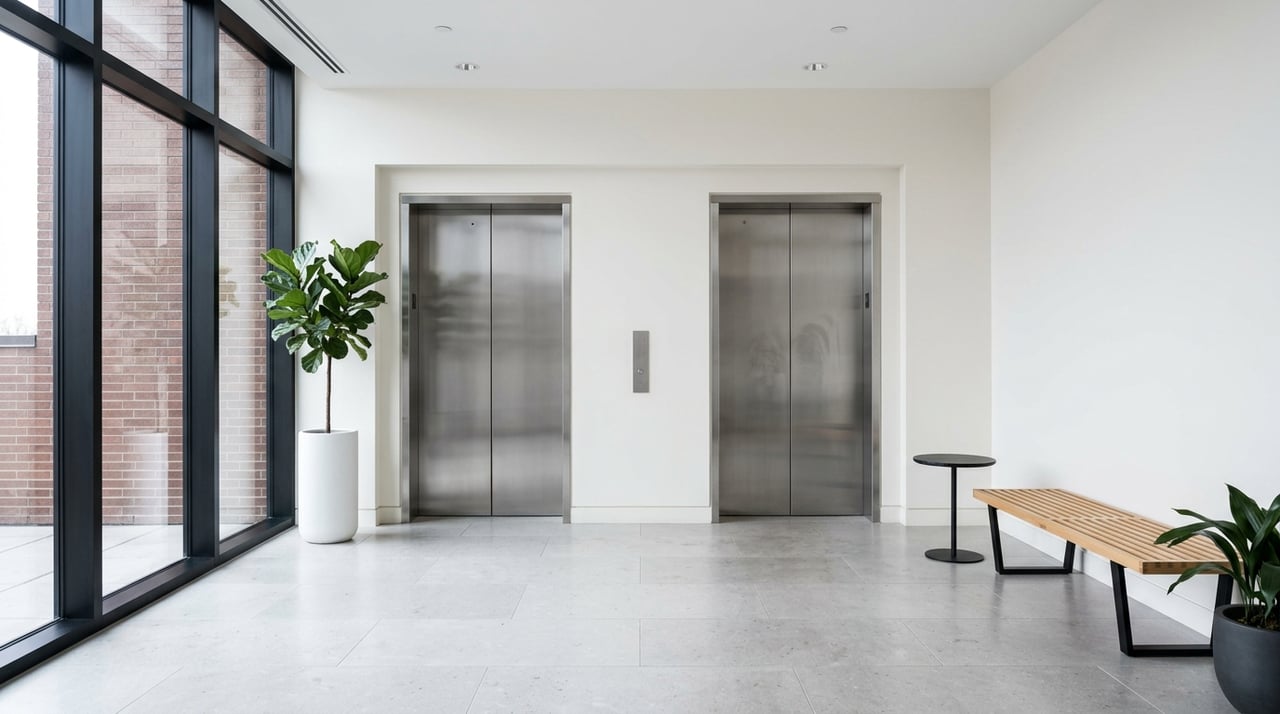
High-rise living in Downtown Boston is often about convenience first. Newer luxury towers compete heavily on amenities, with reported offerings that can include 24-hour concierge service, doormen, pools, valet service, club lounges, dog spas, golf simulators, and large fitness or social spaces.
For many buyers, that creates a more turnkey daily routine. You may be paying for services that reduce friction, simplify deliveries, add staff support, and give you access to on-site spaces you would otherwise need to leave the building to use.
High-rise strengths
A newer tower may be a strong fit if you value:
- Staff-supported living
- Amenity access in the building
- A more lock-and-leave lifestyle
- Modern common areas and newer systems
- A more hotel-like experience
That does not make a high-rise better by default. It simply means you are often buying a package of convenience and services in addition to the unit itself.
High-rise tradeoffs
The most common tradeoff is cost. LendingTree’s 2026 survey lists Boston’s median HOA or condo fee at $386, but Boston Globe coverage notes that fees in newer amenity-rich towers can exceed $1,000 per month.
Massachusetts law also allows common-expense allocations to reflect factors like unit location, amenities, and limited common areas. It also requires each condominium to maintain an adequate replacement reserve fund collected as part of common expenses. In practical terms, two Downtown buildings with similar unit sizes can still have very different monthly fees.
What historic condos usually offer
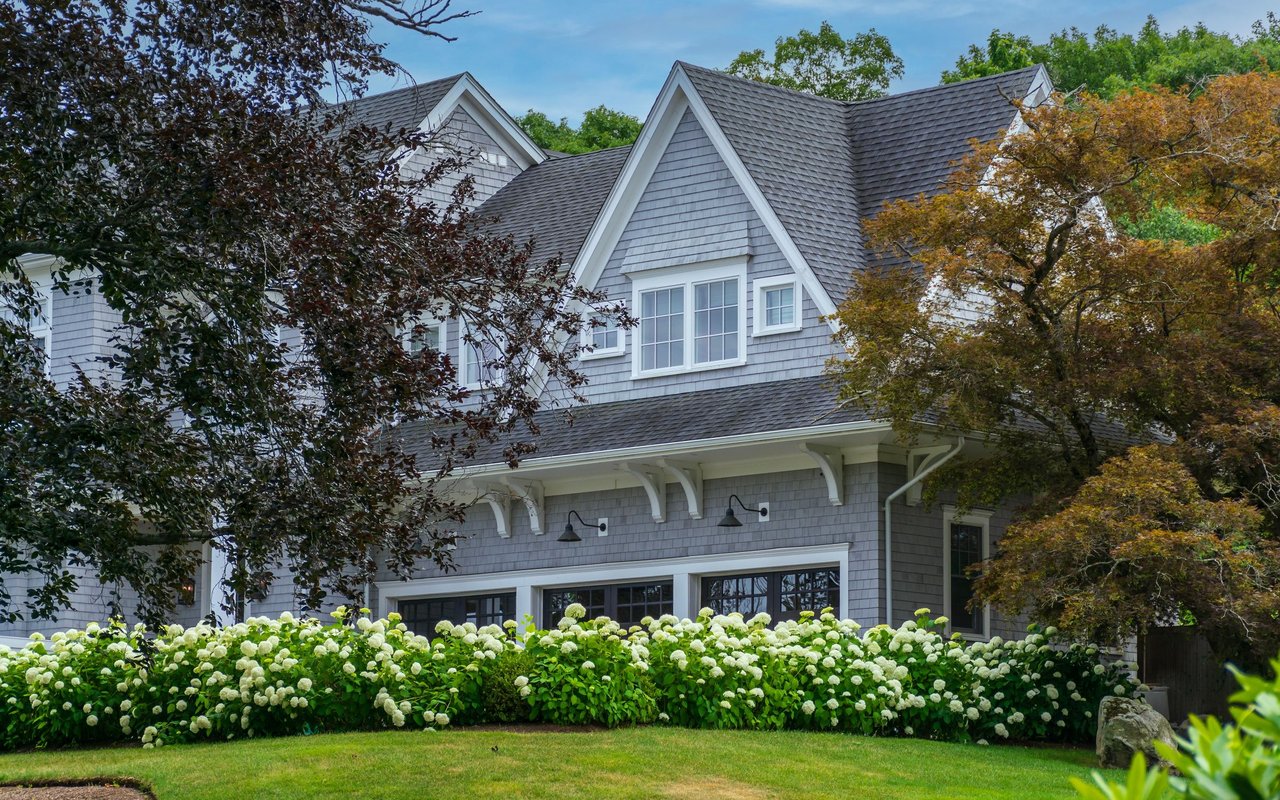
Historic condos usually appeal to buyers who want character, scale, and a more distinctive building feel. In Boston, that often means brick buildings, older architectural details, and homes that feel tied to the city’s long development history rather than built around an amenity package.
WBUR’s description of one of Boston’s oldest historic districts highlights narrow streets, pre-Revolutionary homes, red-brick sidewalks, and adaptive reuse that includes former stables and carriage houses converted into lofts and studios. That kind of setting helps explain why historic condos often feel more intimate and building-specific.
Historic condo strengths
A historic condo may be a strong fit if you value:
- Architectural character
- Smaller-building scale
- A less amenity-driven lifestyle
- Unique layouts and details
- A home that feels more rooted in Boston’s historic fabric
These homes often attract buyers who want something less standardized. Instead of paying for a large amenity package, you may be prioritizing texture, charm, and a more personal building identity.
Historic condo tradeoffs
Historic does not automatically mean simpler or cheaper. Older buildings can come with different maintenance realities, and buyers should not assume lower fees or lower ownership costs just because the property has fewer amenities.
There is also more potential oversight when a property is landmarked or located within a historic district. Boston’s Landmarks Commission administers design review for individual landmarks and the city’s historic district commissions, and Boston.gov states that exterior work visible from a public way is subject to review in historic districts.
That review can cover items such as:
- Window replacements
- Roof decks
- Masonry work
- Balconies
- Porches
- Similar exterior changes
If flexibility around exterior updates matters to you, this is an important point to understand early.
Monthly fees matter more than many buyers expect
When you compare high-rise and historic condos, monthly fees deserve close attention. In Massachusetts, condo fees fund common expenses and reserves, so the number should be read as part of the building’s operating budget, not just as an extra line item.
A higher fee is not always a red flag. It may reflect staffing, amenities, reserve contributions, building systems, or the way common expenses are allocated under Massachusetts law.
A lower fee is not automatically better either. It may simply mean fewer services, a different reserve strategy, or future capital work that has not yet shown up in the monthly budget.
What to review before you choose
No matter which style you prefer, your decision should go beyond finishes and floor plans. The Massachusetts due diligence guidance for condo sales specifically flags several documents and issues buyers should review before moving forward.
Key due diligence questions
Ask for clarity on:
- The current budget
- Special assessments
- Reserve study information
- Association meeting minutes
- Pending litigation
- Owner-occupancy data
- Planned capital work
These details help you understand whether the building is operating smoothly today and whether larger costs may be coming later.
Insurance questions to ask
Insurance is another area where building type can affect your planning. The state guidance cited in the research indicates that condo associations usually cover the building and common walls under a master policy, while owners need coverage for what the master policy does not cover.
That means you will want a clear picture of where the association’s coverage ends and where your responsibility begins. This is especially important when comparing buildings with different ages, systems, and common-area structures.
High-rise vs historic: the real decision
For most Downtown Boston buyers, this comes down to services versus scale. A high-rise often buys you convenience, staffing, and a larger amenity package, while a historic condo often buys you character, a smaller-building feel, and a more individualized ownership experience.
Your commute habits matter too. In a neighborhood where major transit lines converge and walkability is a major advantage, some buyers are happy to trade space or architectural charm for a smoother daily routine.
Others want the opposite. If the building’s personality, size, and sense of place matter more to you than valet, a lounge, or a large fitness center, a historic condo may feel like the better long-term fit.
How to decide which fit is right for you
A simple way to frame the decision is to think about what you want your monthly payment to do for you. Are you looking to purchase simplicity and service, or are you looking to prioritize architecture and a more intimate building environment?
You should also think about your tolerance for rules and future projects. In a newer high-rise, that may mean accepting higher fees tied to amenities and staffing. In a historic building, that may mean understanding exterior review requirements and building-specific maintenance needs.
If you are buying in a fast-moving market, clarity matters. Knowing what matters most to you before you tour can help you move decisively when the right Downtown Boston condo hits the market.
If you want a data-driven read on Downtown Boston condos, from luxury towers to smaller historic buildings, the team at Prime Realty can help you compare options, evaluate monthly costs, and narrow in on the right fit for your goals. Schedule a free market consultation.
FAQs
What is the main difference between high-rise and historic condos in Downtown Boston?
- High-rise condos usually emphasize amenities, staffing, and convenience, while historic condos usually emphasize character, smaller scale, and a more building-specific feel.
How fast is the Downtown Boston condo market?
- Redfin reports a median sale price of $1.7 million over the three months ending May 2026, with homes averaging 17 days on market.
Why can condo fees vary so much in Downtown Boston buildings?
- In Massachusetts, common-expense allocations can reflect unit location, amenities, and limited common areas, and condo fees also fund reserves and operating costs.
What should you review before buying a Downtown Boston condo?
- Massachusetts due diligence guidance says buyers should review items such as the budget, special assessments, reserve study information, meeting minutes, pending litigation, owner-occupancy data, and planned capital work.
What should you know about historic district rules in Boston?
- Boston’s design review process can apply to landmarked buildings and local historic districts, and exterior work visible from a public way may be subject to review.
Is Downtown Boston a walkable place to live?
- Yes. Redfin describes Downtown Boston as highly walkable with a Walk Score of 96, and multiple MBTA lines converge in the area.