Thinking about buying or selling near a new Green Line stop in Somerville? If you want a shorter, more predictable commute and strong neighborhood amenities, the MBTA Green Line Extension is a big part of the story. You might also be wondering how the new service actually affects pricing, competition, and timing. In this guide, you’ll learn what has changed since service began, which areas are seeing the most interest, and how to make smart decisions whether you are buying, selling, or investing. Let’s dive in.
What the Green Line changed
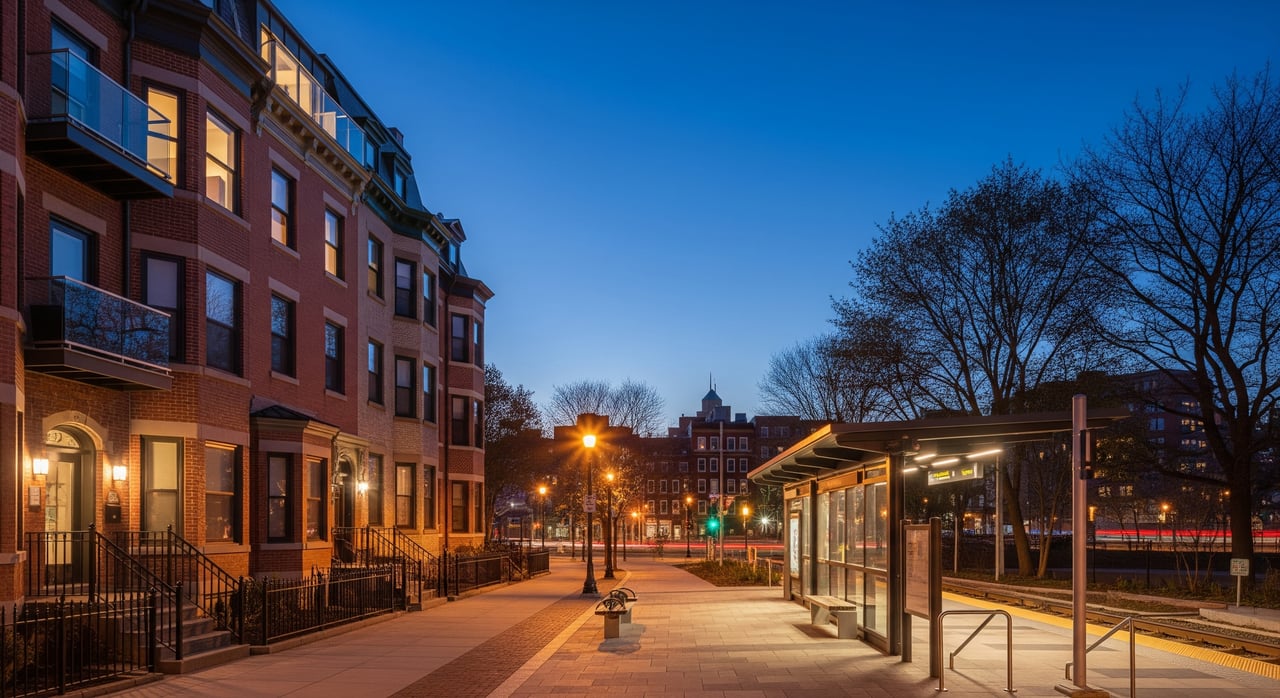
The Green Line Extension connects the existing Green Line north from Lechmere into Somerville and Medford. New stations serve Union Square and several residential neighborhoods across central and northern Somerville, along with a station serving Medford and the Tufts area. Passenger service started in 2022 after a long planning and construction period.
The biggest day-to-day impact is access. Many homes within walking distance of the new stations now plug into the broader Green Line network with a shorter, simpler trip to Boston job centers. The strongest property impacts typically occur within about a quarter to one mile of each stop, with the effect tapering as walking time increases.
Why transit boosts demand
Research on transit-oriented development shows a consistent price and rent premium for homes near frequent rail service. Buyers and renters place real value on reduced commute time, better access to amenities, and the ability to live car-light. Developers also respond by proposing more housing and mixed-use projects near stations, which can add new supply over time.
The premium is usually highest very close to a station and declines with distance. Condos and multifamily properties often see the most immediate effect, while single-family homes can benefit more gradually. Market conditions matter too. Reliability, neighborhood amenities, and overall demand all shape the outcome.
Neighborhood impacts in Somerville
Union Square
Union Square is a focal point. The station anchors broader redevelopment plans and an active commercial scene. The combination of new transit, ongoing projects, and retail energy has increased buyer interest and positioned the area for more housing over time.
Gilman, Ball, East Somerville
Neighborhoods around Gilman Square, Ball Square, and East Somerville have seen stronger residential attention. For many commuters, the improved link to downtown and to nearby innovation hubs like Kendall and university districts is a daily quality-of-life upgrade. That convenience can translate into faster showings and competitive offers for well-presented homes.
Medford/Tufts and Cambridge spillover
The station serving Medford and the Tufts area pulls demand north, while strong pricing in Somerville can push some buyers toward nearby Cambridge blocks and into Medford. The immediate Somerville station areas still see the most direct impact, with spillover driven by budget and proximity preferences.
Pricing and competition to expect
Somerville was already a tight, high-demand market before the GLX. The extension layers additional demand on top of that baseline. In similar projects elsewhere, studies commonly report positive single-digit to low double-digit premiums for properties very close to stations. Actual results vary by block and property type.
You should expect the largest lift where you have true walk-to-station convenience. Condos and professionally managed buildings often show pricing and rent effects first. Single-family homes can realize value in resale appeal and broader buyer pools, especially when listings highlight low-friction access to work and services.
Buying near the GLX
If you plan to buy within a station area, keep your process tight and focused:
- Prioritize walkability: Under a half-mile walk usually captures most of the everyday time savings.
- Test the commute: Time a door-to-door trip during peak hours to confirm the real benefit.
- Evaluate unit type: Condos may reflect transit premiums faster than single-family homes.
- Understand tradeoffs: Expect more foot traffic and occasional station noise. Good windows, layout, and orientation can help.
- Watch the pipeline: New buildings can add options and moderate price jumps in the short term.
- Consider timing: Buying after service is live reduces uncertainty. Buying earlier in a station area can capture appreciation but brings construction and timing risk.
Selling near the Green Line
If you own near a GLX stop, your listing can stand out with the right strategy.
- Lead with access: Spotlight reduced commute times to downtown Boston, Kendall, and university districts.
- Stage for urban buyers: Highlight quiet interiors, smart storage, bike-friendly features, and outdoor space.
- Price thoughtfully: Compare recent sales within the station’s walk shed. Proximity and building features can justify a premium.
- Time the market: If a wave of new listings is coming near your stop, consider listing before competing supply hits.
Investors and landlords
Transit convenience can help with rent levels and occupancy. Units that offer quick, reliable access to job centers often see steady demand from professionals and students. Keep an eye on policy changes that aim to expand affordability and balance growth. Over time, new deliveries near stations can temper rent growth for a period before the market stabilizes.
If you are targeting a portfolio strategy, pay attention to management and operations. Strong day-to-day maintenance and responsive leasing are especially valuable in busy, walkable locations where tenant expectations are high.
Risks and unknowns
No market shift is one-way, and the GLX is no exception.
- New supply: A cluster of deliveries near a station can slow price and rent growth until the market absorbs the units.
- Service reliability: Property premiums tied to transit rely on dependable, frequent service. Ongoing performance matters.
- Macro conditions: Interest rates and regional job growth can amplify or mute local transit effects.
- Equity concerns: Without strong affordable housing tools, rising prices can pressure renters and long-time residents.
How to evaluate proximity like a pro
Use a consistent, checklist approach to compare station-area homes:
- Distance and walk route: Measure the actual walk and note lighting, crosswalks, and grades.
- Commute to your job center: Test both directions, including transfers and wait times.
- Building features: Look for sound mitigation, secure package storage, and bike storage.
- Parking and curbside context: Check how station traffic affects on-street parking and loading.
- Near-term construction: Identify active or planned projects that could affect noise or supply.
- Retail and public realm: Note grocery, cafes, parks, bike lanes, and sidewalks that support daily life.
Where the influence fades
The strongest GLX impact is in Somerville within close walking distance of stations, with measurable spillover to nearby Cambridge and into Medford near Tufts. Beyond these areas, the effect becomes more diffuse. Parts of Newton and Framingham have limited ties to the extension, so their markets are less directly influenced by these new stations.
The bottom line
The Green Line Extension has shifted the map for Somerville buyers, sellers, and investors. Station-adjacent blocks that already offered walkability now combine lifestyle and access in a way that many households value. Expect competitive dynamics and a premium closest to the stops, moderated by new supply, service reliability, and broader market conditions.
If you are weighing a move, it pays to analyze the specific station, street, and property type. A focused search and a thoughtful marketing plan can unlock value on both sides of the table.
Ready to talk through your plan near the Green Line Extension? Connect with the local team at Prime Realty to schedule a free market consultation.
FAQs
How much value does proximity to a GLX station add in Somerville?
- Studies commonly find a positive premium that is strongest very close to stations, with the exact amount varying by property type, distance, and market conditions.
Which Somerville neighborhoods benefit most from the Green Line Extension?
- Union Square and the station-adjacent areas in central and northern Somerville show the most direct impact, with spillover into nearby Cambridge and Medford near Tufts.
Will new housing near the Green Line Extension lower prices?
- A surge of new units can moderate short-term price or rent growth, but persistent demand and neighborhood amenities often support values in transit-rich pockets over time.
Should I buy near a GLX station now or wait for more projects to finish?
- Buying after service begins reduces uncertainty about commute benefits, while buying earlier can capture appreciation but carries construction and timing risk.
How does the GLX affect landlords and rental demand in Somerville?
- Transit access can support higher occupancy and rental premiums for well-located units, though new supply and policy changes can influence near-term rents.
What are the main risks tied to the GLX’s impact on housing?
- Service reliability, a potential wave of new deliveries, broader economic conditions, and affordability pressures all shape how prices and rents evolve near the stations.