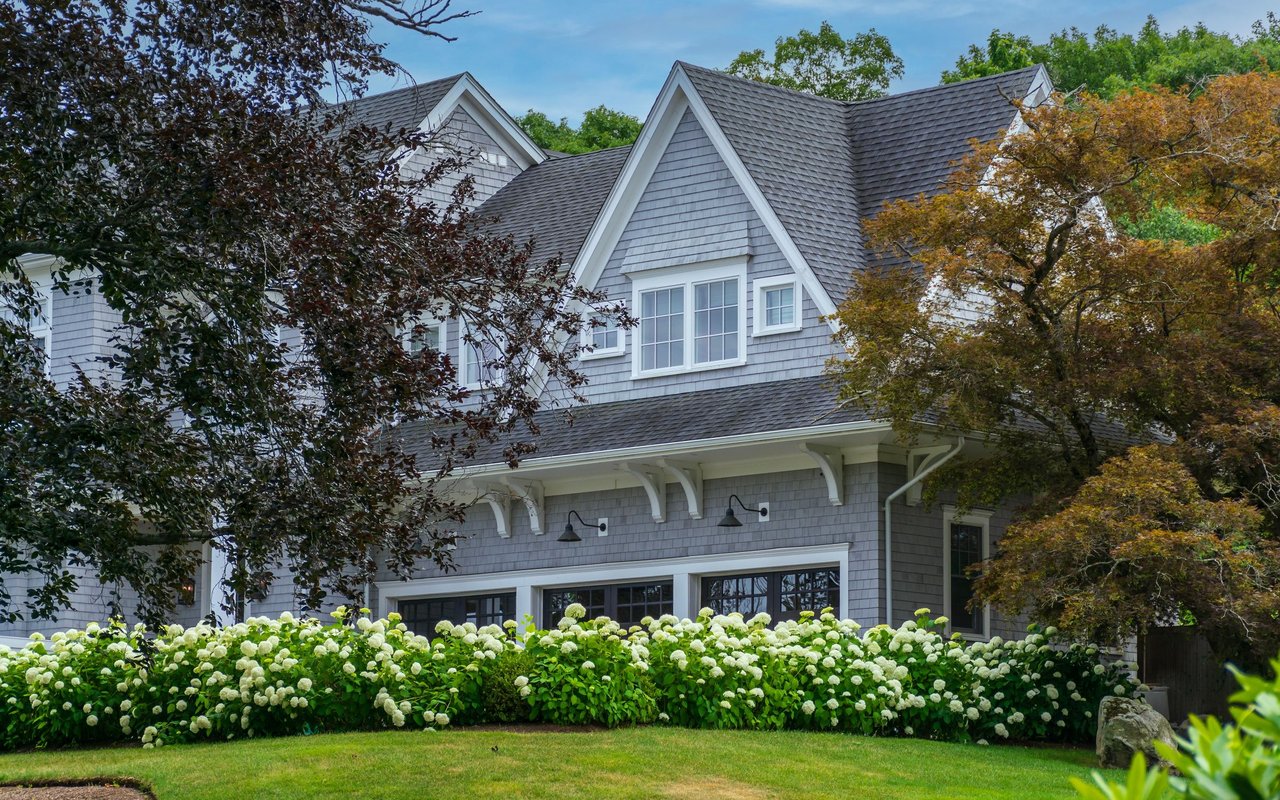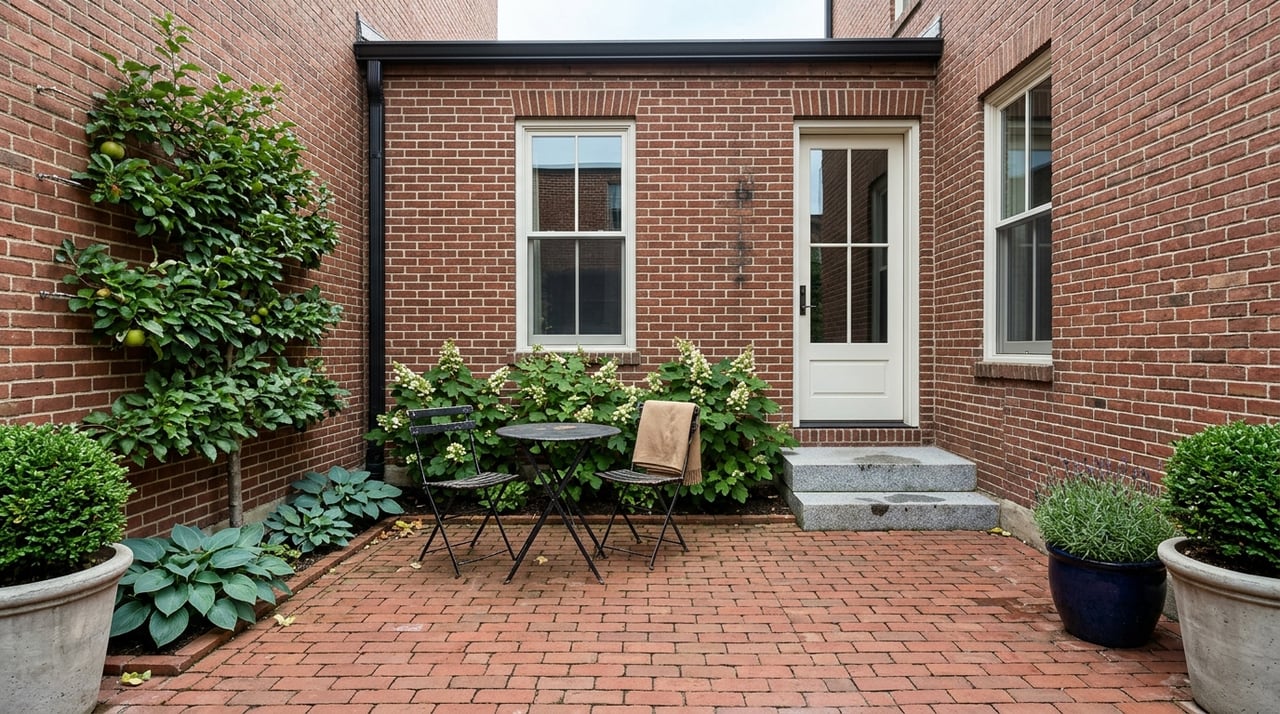
Looking for a Boston neighborhood where outdoor space feels part of daily life, not an occasional bonus? In the South End, that experience is built into the blocks themselves, from pocket parks and playgrounds to sidewalk patios and shared garden plots. If you are thinking about living, buying, or investing here, understanding how these outdoor spaces shape the neighborhood can help you see what makes the South End distinct. Let’s dive in.
South End Outdoor Life
The South End offers a different kind of city outdoor experience. Instead of one large signature park, you get a network of nearly 30 parks and public spaces woven into the neighborhood. According to the City of Boston, the area is just minutes from Downtown and Back Bay, with Victorian brownstones, Tremont Street dining, Shawmut Avenue streetscapes, and SoWa on Harrison Avenue all adding to its street-level energy.
That pattern matters when you imagine everyday life here. Your routine might include a short walk to a square, a stop at a playground, dinner on a patio, or time in a community garden, all within the neighborhood. The result is a human-scaled feel that comes from both the open spaces and the historic street layout.
Parks Shape the Neighborhood
Boston describes the South End as a landmark district with a 19th-century rowhouse fabric shaped on filled marshland. That history still shows up in the way the neighborhood feels today. Streets, blocks, and open spaces work together in a way that feels cohesive and easy to navigate on foot.
The city specifically highlights Blackstone Square and Franklin Square as classically designed open spaces. These are the kinds of places that give the South End visual breathing room without breaking the rhythm of the surrounding brownstone blocks. Rather than pulling you away from the neighborhood, they reinforce it.
Small Parks, Daily Convenience
The South End’s park system is distributed across the neighborhood. Boston’s parks list includes Blackstone Square, Franklin Square, Peters Park, Titus Sparrow Park, Newland Street Park, O'Day Playground, Concord Square, Hayes Park, and Ringgold Park, among others. That means outdoor access is part of local circulation, not just a weekend destination.
For many buyers, this is one of the most practical advantages of the area. You are not depending on a single green space for everything. Instead, you have multiple options for walking, sitting outdoors, meeting neighbors, or letting kids play within a compact part of the city.
Peters Park as a Recreation Hub
Peters Park stands out as one of the South End’s most active recreation spaces. The City of Boston notes that it includes dog recreation space, basketball and tennis courts, wall ball courts, a playground, a little league field, and ornamental planting beds. That combination supports a wide range of everyday uses in one place.
If you are comparing city neighborhoods, this kind of flexible outdoor anchor can make a real difference. It supports casual use and planned recreation without feeling disconnected from surrounding residential blocks. For residents, it helps turn outdoor activity into a routine instead of a special trip.
Titus Sparrow Park and Recent Improvements
Titus Sparrow Park is another good example of how the South End maintains and updates its public spaces. The park reopened in 2024 after a $2.4 million renovation that improved or added play equipment, sport courts, lighting, drainage, lawn, plantings, and hardscaping. It sits at 75 West Rutland Square near the Southwest Corridor.
That recent investment shows how neighborhood outdoor spaces continue to evolve. For someone considering a move, updated infrastructure like lighting, drainage, and recreation areas can be as important as the park itself. It tells you the space is meant to support regular use.
Community Gardens Add Shared Green Space
Not every outdoor amenity in the South End is private. In fact, one of the neighborhood’s defining features is its strong culture of shared gardening. Boston’s Community Garden and Urban Farm Directory shows a dense network of community gardens in and around the South End.
This matters because many homes in the neighborhood are attached rowhouses, condos, or conversions where private backyard space may be limited or shared. Community gardens create another way to enjoy outdoor life while staying rooted in the neighborhood. They add function, beauty, and a sense of participation.
What Gardening Looks Like Here
South Street Community Garden at 271 South Street has 37 to 40 plots, a $40 annual fee, and a waitlist noted at four as of January 2026. Paul Gore Community Garden at 60 Paul Gore Street has 40 plots and a $30 annual fee. The city directory also lists several Trustees-managed gardens in the South End, including Julian/Judson/Dean, Leyland, Lucerne/Balsam/Irma, Saint Rose, and Winthrop.
For a prospective resident, the takeaway is simple. Gardening in the South End is less about having a large private yard and more about joining a shared local tradition. Some listings even invite nearby neighbors to get involved, which reflects how integrated these spaces are with neighborhood life.
Patios Extend the Street Scene
The South End’s outdoor identity is not limited to parks and gardens. Dining also plays a major role, especially along Tremont Street, which Boston describes as Restaurant Row. In warmer months, patios and sidewalk seating help the neighborhood feel active at the street level.
Boston’s 2026 outdoor dining rules help explain why this is such a visible part of the area. The city says the seasonal outdoor dining period runs from May 1 through October 31. Patios may be located on sidewalks, streets, or private property, with public-property patios subject to fees and private-property patios not charged under the program.
Why Outdoor Dining Feels Native Here
In some neighborhoods, outdoor dining can feel added on. In the South End, it fits naturally with the existing block pattern and building form. Rowhouse streets, active sidewalks, and a strong restaurant presence make patios feel like an extension of the public realm.
The city also notes that permanent outdoor dining requires review by several city agencies, while seasonal patios are intended to temporarily expand restaurant seating. That framework supports the South End’s warm-weather rhythm without changing the neighborhood’s core structure. For residents, it means outdoor dining is both lively and regulated.
Courtyards and Street Edges Matter
The word “courtyard” means something a little different in the South End than it might in a newer development. Here, outdoor character often comes from intimate front gardens, recessed entries, stoops, ironwork, and the way buildings frame the street. The South End Landmark District standards emphasize the importance of street-facing facades and front yards, along with details such as bay windows, mansard roofs, decorative ironwork, exterior steps, recessed doorways, and canopies.
Those design elements shape how outdoor space feels from the sidewalk. You are not just seeing buildings. You are seeing a carefully scaled relationship between architecture and open air, where small planted areas and formal entries add texture to the street.
Why the Built Form Feels Intimate
The landmark standards describe the rowhouse block as the dominant feature of the district. They also recommend that larger new buildings avoid looking like monolithic apartment blocks. That helps preserve the visual rhythm that gives the South End its recognizable identity.
For buyers and sellers, this is more than an architectural note. It helps explain why the neighborhood often feels enclosed in a comfortable way rather than oversized or anonymous. Outdoor space here is closely tied to the street edge, which creates a strong sense of place.
Housing and Outdoor Appeal
The South End’s outdoor experience is closely linked to its housing stock. The neighborhood typically mixes classic brownstones, adaptive-reuse condo inventory, and selective new development. City-approved redevelopment examples and local landmarks materials show a pattern of preservation paired with change rather than wholesale replacement.
That mix gives you several ways to experience the neighborhood’s outdoor character. A brownstone may connect you to a classic stoop-and-garden streetscape, while a loft conversion or newer condominium may offer a different version of city living within the same broader neighborhood fabric. In either case, the surrounding parks, patios, and public spaces remain part of the value proposition.
What This Means for Buyers and Owners
If you are considering the South End, outdoor life should be part of how you evaluate a home. It is not just about whether a property has private exterior space. It is also about how close you are to squares, recreation areas, community gardens, and dining corridors that support your routine.
For owners and investors, this neighborhood pattern also matters. In a district where parks, patios, and street presence shape day-to-day appeal, block-by-block context can influence how a property is perceived. Understanding that local texture is part of making a smart buying, selling, or hold decision.
When you look at the South End through that lens, the neighborhood stands out for its consistency. Outdoor life is not concentrated in one corner or one amenity package. It is woven across the area through public spaces, historic design, and everyday walkability.
If you want help evaluating how a specific South End property fits into that bigger neighborhood picture, Prime Realty can help you make a more informed move with local insight and a consultative approach.
FAQs
What makes South End outdoor space different from other Boston neighborhoods?
- The South End is defined by a network of many small parks, squares, playgrounds, community gardens, and patios rather than one large central park, which makes outdoor access part of everyday life.
Which parks are important in the South End, Boston?
- Boston’s parks list for the South End includes Blackstone Square, Franklin Square, Peters Park, Titus Sparrow Park, Newland Street Park, O'Day Playground, Concord Square, Hayes Park, and Ringgold Park, among others.
What amenities does Peters Park offer in the South End?
- Peters Park includes dog recreation space, basketball and tennis courts, wall ball courts, a playground, a little league field, and ornamental planting beds, making it one of the neighborhood’s main recreation anchors.
What changed at Titus Sparrow Park in the South End?
- Titus Sparrow Park reopened in 2024 after a $2.4 million renovation that improved play equipment, sport courts, lighting, drainage, lawn, plantings, and hardscaping.
Are there community gardens in the South End, Boston?
- Yes. Boston’s directory lists South Street Community Garden, Paul Gore Community Garden, and several Trustees-managed gardens in and around the South End, showing that shared gardening is a meaningful part of neighborhood life.
When is outdoor dining season in Boston for South End patios?
- The City of Boston says the 2026 seasonal outdoor dining period runs from May 1 through October 31, with patios allowed on sidewalks, streets, or private property under city rules.
How does South End architecture shape outdoor living?
- The South End’s historic rowhouse blocks, front yards, stoops, recessed entries, and decorative street-facing details create an intimate, human-scaled outdoor feel that supports walking and street-level activity.