If you want to sell in the South End this spring, timing is not just about picking a listing date. It is about working backward from the market’s busiest window, your property’s prep needs, and the extra steps that can come with a historic Boston home. When you plan early, you give yourself more control over pricing, presentation, and launch timing. Let’s dive in.
Why spring matters in South End
Spring is typically the strongest selling season, and the data supports that pattern. According to Realtor.com’s 2025 timing report, the best week to list nationally in 2025 was April 13 through April 19. For Boston specifically, Zillow’s 2026 analysis found the strongest timing premium in the last two weeks of May, when sellers earned about 3.4% more on average, or roughly $25,300.
That late-spring window matters because buyer demand often peaks before Memorial Day. If you want to meet buyers when attention is strongest, you need your home market-ready before that surge arrives. In the South End, that can take more planning than many sellers expect.
What the South End market looks like
The South End continues to attract buyer interest, but homes are not moving instantly across the board. In February 2026, Redfin reported a median sale price of $1.3 million, median days on market of 49, and a 97.3% sale-to-list ratio. It also reported that 15% of homes sold above list price.
Those numbers point to an active but selective market. Buyers are still engaged, yet pricing and presentation matter. If you own a condo, townhouse, or brownstone in the South End, your launch strategy can make a real difference in how quickly you attract serious interest.
South End homes need extra lead time
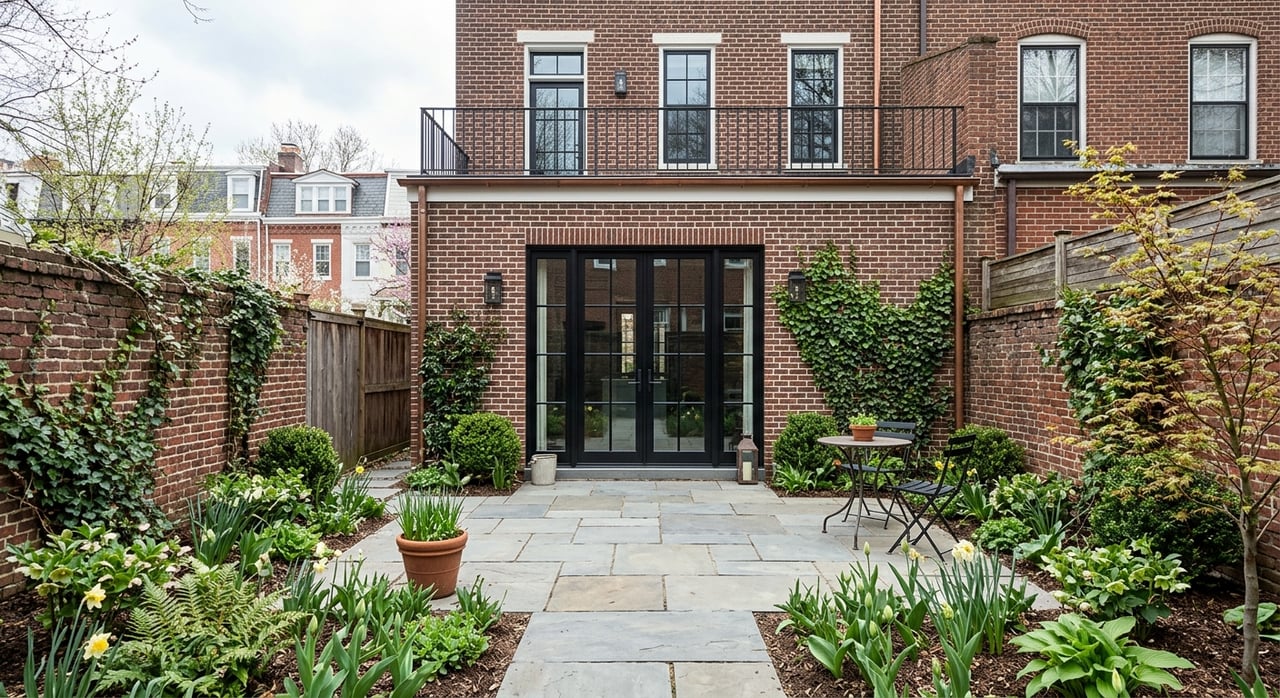
The South End is one of Boston’s most distinctive neighborhoods, with a housing stock known for Victorian townhouses and historic brick homes. Boston Planning describes it as the largest Victorian residential district in the United States. That character adds value and appeal, but it can also affect your prep schedule.
If your property is in the South End Landmark District, exterior work visible from the public way may require review and approval before work begins. The South End Landmark District guidelines note that complete applications must be submitted 15 business days before a hearing, and hearings take place on the first Tuesday of each month.
That means projects like window replacement, façade work, or visible roof repairs may take longer than expected. If your goal is a late-May or early-June listing, waiting until spring to start planning may leave you with too little time.
When to start planning your spring sale
A good rule is to begin earlier than your ideal list date suggests. Zillow’s 2025 seller survey found that the median seller seriously considered selling for 3 to less than 4 months before listing. The same report cites Redfin timeline data showing that listing setup alone can take 10 to 30 days, while the total time to sell often runs 75 to 105 days from signed paperwork.
For a South End seller, that makes early planning especially important. If you are targeting the late-spring market, serious preparation may need to start in late winter or early spring. If exterior improvements need Landmark District review, the planning window may need to start even sooner.
A practical timeline for a late-spring listing
Three to four months out
Start with a pricing and strategy conversation. This is the stage to review market conditions, talk through likely buyer expectations, and identify what work is worth doing before listing.
It is also the right time to decide whether your property needs repairs, cosmetic updates, or a more detailed prep plan. In a market where buyers are comparing several strong options, clear strategy early on can help you avoid rushed decisions later.
Two to three months out
Use this phase for decluttering, repairs, and contractor coordination. If any exterior work may fall under Landmark District review, this is when you want applications and approvals moving.
For older South End properties, this is also a smart time to organize required disclosures. If your home was built before 1978, federal lead-based paint disclosure rules apply, including disclosure of known information before contract and a 10-day opportunity for the buyer to conduct an inspection or risk assessment.
Final two to four weeks
This is the launch-prep stage. Photography, staging, final touch-ups, and marketing materials should come together here so your listing goes live when buyer attention is strongest.
Staging is still worth considering. In NAR’s 2025 survey, cited in the research above, 83% of buyers’ agents said staging made it easier for buyers to visualize a future home, with the living room, primary bedroom, and dining room named as the spaces most often staged.
Why pricing and presentation matter this spring
South End demand is solid, but the numbers suggest buyers are thoughtful rather than impulsive. With median days on market at 49 and the average home selling slightly below list on Redfin’s February 2026 snapshot, your home needs to enter the market with a clear value story.
That usually comes down to three things:
- Pricing that reflects current competition
- Presentation that highlights light, layout, and condition
- Launch timing that matches peak buyer activity
When those three pieces align, you improve your odds of attracting strong early interest. That is especially important in the South End, where buyers may be comparing renovated condos, period homes, and newer options across several price points.
How spring inventory affects your strategy
Spring brings more buyers, but it also brings more competition. Greater Boston MLS data shared by GBREB showed condo inventory up 27.8% year over year in March 2025 as new listings came to market. In May 2025, condo sales rose to 948 units, active condo inventory reached 2,720, and the median condo price hit a record May high of $749,500.
More activity is generally a good thing for sellers because it brings more engaged buyers into the market. At the same time, rising inventory means your home still has to stand out. A polished launch, thoughtful pricing, and complete prep work can help you compete effectively during the busiest stretch of the season.
Common mistakes to avoid
Waiting too long to start
If you begin planning after the spring market is already underway, you may miss the strongest buyer window. This is one of the biggest risks for South End sellers, especially when repairs or approvals take longer than expected.
Underestimating historic-district review
Exterior improvements in the South End can involve extra steps. If your sale plan depends on visible exterior work, make room in your timeline for review requirements and hearing dates.
Listing before the home is fully ready
A rushed launch can weaken your first impression. In a neighborhood where presentation matters, unfinished repairs, weak photography, or incomplete staging can make buyers hesitate.
Ignoring required disclosures
Older homes often come with added documentation needs. Getting disclosure materials organized early can help your transaction move more smoothly once you receive an offer.
The bottom line for South End sellers
If you are planning a South End sale around spring market, think of spring as your target window, not your starting point. The strongest Boston pricing premium tends to show up in late May, but getting there takes prep, coordination, and a realistic timeline. In a neighborhood shaped by historic housing, buyer expectations, and seasonal competition, early planning can put you in a much stronger position.
If you want a strategy built around your timeline, property condition, and market goals, Prime Realty can help you map out the process and prepare for a well-timed spring launch.
FAQs
When should you start planning a South End spring home sale?
- If you want to list in late spring, it is smart to begin serious planning about 3 to 4 months earlier, and even sooner if exterior work may need Landmark District review.
Does South End historic-district approval affect a home sale timeline?
- Yes. In the South End Landmark District, exterior work visible from the public way may require approval, and complete applications must be submitted 15 business days before a hearing.
Is late spring the best time to list a South End property?
- Boston data from Zillow found the strongest timing premium in the last two weeks of May, making late spring an important target window for many sellers.
What market conditions should South End sellers expect this spring?
- Recent South End data shows active buyer demand, but not an instant market, so pricing, presentation, and launch timing still matter.
Do older South End homes need lead paint disclosure before sale?
- Yes. If the home was built before 1978, federal law requires disclosure of known lead-based paint information before contract, along with a 10-day buyer inspection or risk-assessment opportunity.