Thinking about trading yard space for city access? If you want brick-and-beam character, walkable errands, and a short hop to downtown jobs, Boston’s Leather District deserves a close look. Moving here can feel simple once you understand the buildings, transit, and day-to-day rhythm. In this guide, you’ll learn what to expect with housing, parking, safety, schools, and flood risk, plus practical steps to make your move smooth. Let’s dive in.
Where the Leather District fits in Boston
The Leather District sits between the South End, Chinatown, and the approaches to the Financial District and Seaport. You are within minutes of South Station, the Rose Kennedy Greenway, and many downtown offices. The footprint is small and dense, which makes daily destinations very walkable.
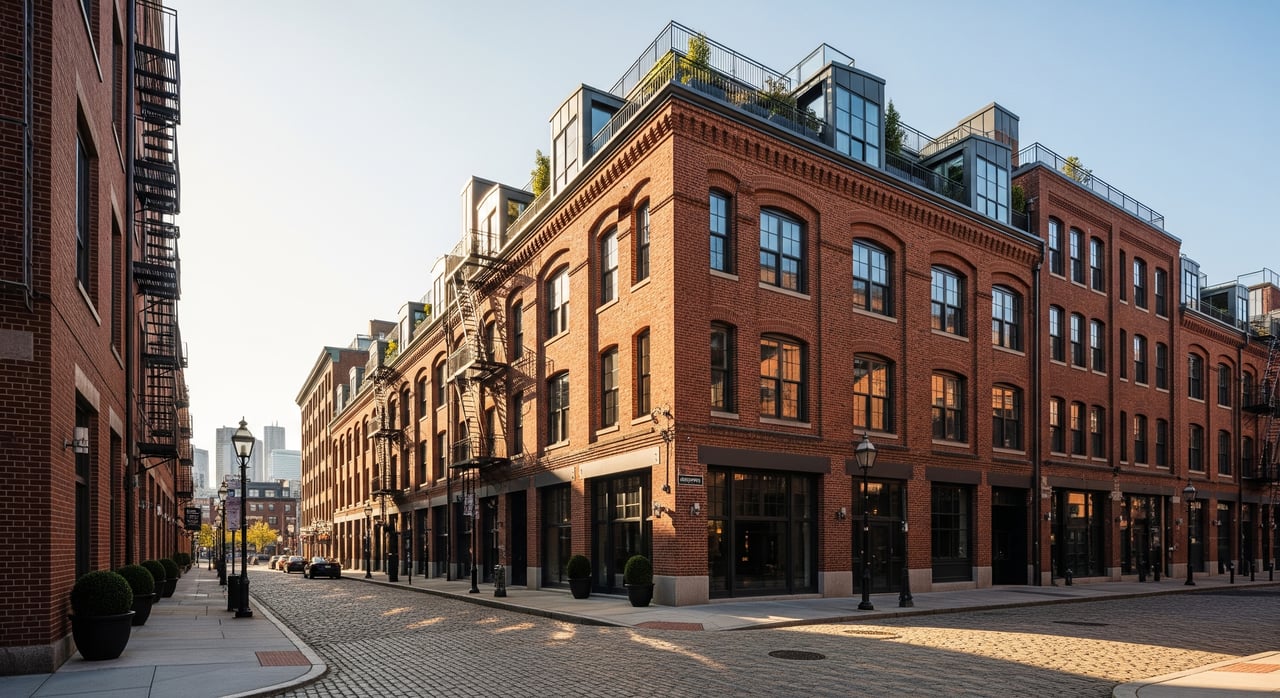
Historically, this was an industrial hub tied to leather trades. Over time, warehouses were converted to residential lofts and condos. Today, you’ll see brick facades, timber beams, and exposed masonry mixed with newer infill buildings. The vibe is urban and convenient, with quick access to restaurants, services, and nightlife in adjacent neighborhoods.
Housing types and what you’ll find
Most homes here are condominiums and apartments rather than single-family houses. Expect a mix of older conversions and newer mid- to high-rise buildings.
Loft conversions and features
Converted buildings often feature open layouts, tall ceilings, large windows, and historic finishes. You may encounter original elements like radiators or older windows alongside modernized systems. Layouts can be flexible, which is great if you like open-plan living.
Newer buildings and amenities
Newer construction can offer elevators, central air, and modern common areas. Unit finishes and amenities vary by building. If you value certain features, verify them during tours rather than assuming they are standard.
Condo associations and fees
Many properties are part of condo associations. Review bylaws, budgets, reserve studies, and recent meeting minutes before you commit. Fees can be significant and sometimes include heat or hot water. Ask about capital plans and any history of special assessments so you can compare true monthly costs across buildings.
Renting vs. buying considerations
The Leather District has a strong rental presence given its location near downtown employers and transit. Ownership opportunities exist but inventory can be tight.
Investor-friendly dynamics
Investors often target the area for rentals due to steady demand. If you plan to rent out a unit, review building rental policies and local rules. Assess expected demand and turnover to understand your long-term outlook.
Financing and condo approvals
Lenders review the financial health and insurance of condo associations. Smaller or non-compliant associations can trigger stricter lending terms. If a property lies in a flood zone, your lender will likely require flood insurance, which affects underwriting and monthly costs.
Inspections for older buildings
Older industrial conversions can have unique issues. Ask your inspector to pay close attention to plumbing, electrical systems, potential lead paint in pre-1978 buildings, possible asbestos in building materials, masonry and roof conditions, and waterproofing at basements or utility areas. For condos, consider a building-level engineer’s review when possible.
Getting around: transit, parking, and biking
One of the biggest strengths of Leather District living is mobility.
South Station and MBTA access
You can walk to South Station for Red Line, Silver Line, commuter rail, and intercity service. Review schedules and maps on the MBTA’s South Station page to plan your commute: MBTA South Station.
Driving and parking realities
Driving in and out during peak hours can be slow due to downtown traffic. Street parking is limited and rules vary by block. Many residents lease spots in private garages, which can be costly. If you need on-street parking, check eligibility and rules for resident permits on the City’s page for resident permit parking. If a dedicated space matters to you, confirm whether a listing includes deeded parking or a transferable garage lease before you make an offer.
Daily walkability and biking
Short blocks and frequent crosswalks support walking for errands. Some nearby streets have bike lanes, though certain corridors require riding in mixed traffic. If you plan to bike, scout your routes at different times of day.
Daily life: amenities, noise, and services
Because the neighborhood is compact, most day-to-day needs are met in adjacent districts.
Food, green space, and errands
You are steps from Chinatown’s dining and markets, the Financial District’s services, and the Rose Kennedy Greenway for fresh air and seasonal programming. Grocery stores, cafés, theaters, and medical offices are close by in surrounding neighborhoods.
Utilities and building systems
Confirm who pays for heat and hot water, and how billing works. Some associations include these in monthly fees. Cooling varies by building. Older conversions may rely on retrofitted systems like mini-splits. For trash and recycling, review building rules and City services on Boston’s trash and recycling page.
Safety and situational awareness
As with most downtown areas, you should expect typical urban safety considerations like package or bicycle theft and street-level activity. For up-to-date information, use official sources such as the City of Boston’s crime statistics. Visit at various times to gauge street activity and building access controls.
Climate and flood risk
Parts of central Boston are low-lying. Before you buy or rent, check a property’s flood exposure using the FEMA Flood Map Service Center and Boston’s Climate Ready Boston resources. If a property is in a Special Flood Hazard Area, lenders typically require flood insurance. Ask where critical building systems are located and whether flood mitigation measures are in place.
Schools and family logistics
The Leather District has a smaller population of households with school-age children than many residential areas. Families typically enroll in Boston Public Schools, and assignments depend on district policies. For current procedures and options, start with Boston Public Schools enrollment. Nearby neighborhoods such as the South End and Back Bay offer additional park and school access points if that matters to your daily routine.
Planning, development, and resale outlook
The central core of Boston continues to see infill and adaptive reuse. To understand current proposals that may affect traffic, views, or construction noise, review the BPDA’s development projects. For title and recorded documents on a specific property, consult the Suffolk County Registry of Deeds.
Proximity to employers and transit supports steady demand for rentals and resales. Pay close attention to long-term maintenance needs in historic buildings, like masonry, roofs, and window systems. These can influence HOA budgets and future assessments.
First steps to relocate with confidence
Use this checklist to organize your move:
- Tour at different times to gauge noise, lighting, and foot traffic.
- Map your commute via the MBTA South Station page and test your route.
- Review recent listings with a licensed local agent. Compare HOA fees and what they include.
- Request condo documents early. Ask about reserves, capital plans, and any special assessments.
- Confirm parking needs. Check resident permit parking rules and garage options.
- Check flood exposure on FEMA’s Flood Map Service Center and Boston’s Climate Ready Boston pages.
- Hire a qualified home inspector. For condos, consider a building-level engineer’s review.
- Consult a local real estate attorney for Massachusetts purchase and closing procedures.
Ready to explore?
If the Leather District’s lofts, transit access, and city energy match your goals, you have great options to consider. Whether you are buying, renting, or investing, you deserve a clear view of the buildings, budgets, and block-by-block details that shape value here. For expert guidance from search to closing, and ongoing support through leasing and management, connect with Prime Realty. Schedule a free market consultation.
FAQs
How central is the Leather District for commuting?
- You can walk to South Station for Red Line, Silver Line, and commuter rail service, and reach many downtown employers on foot.
Are Leather District homes mostly lofts?
- Many are loft-style condos in historic buildings, with some newer mid- to high-rise options that offer modern systems and amenities.
What should buyers know about condo fees in the Leather District?
- Fees vary and may include heat or hot water, so compare line items and review reserves, budgets, and past special assessments.
Is parking realistic in the Leather District?
- On-street parking is limited and rules vary; many residents lease garage spaces and verify deeded parking with specific listings.
How do I check flood risk for a Leather District address?
- Look up the property on FEMA’s Flood Map Service Center and review Boston’s Climate Ready Boston resources for local resilience planning.
How do school assignments work if I live in the Leather District?
- Enrollment is through Boston Public Schools, with assignments based on district policies; start with the BPS enrollment portal for current steps.