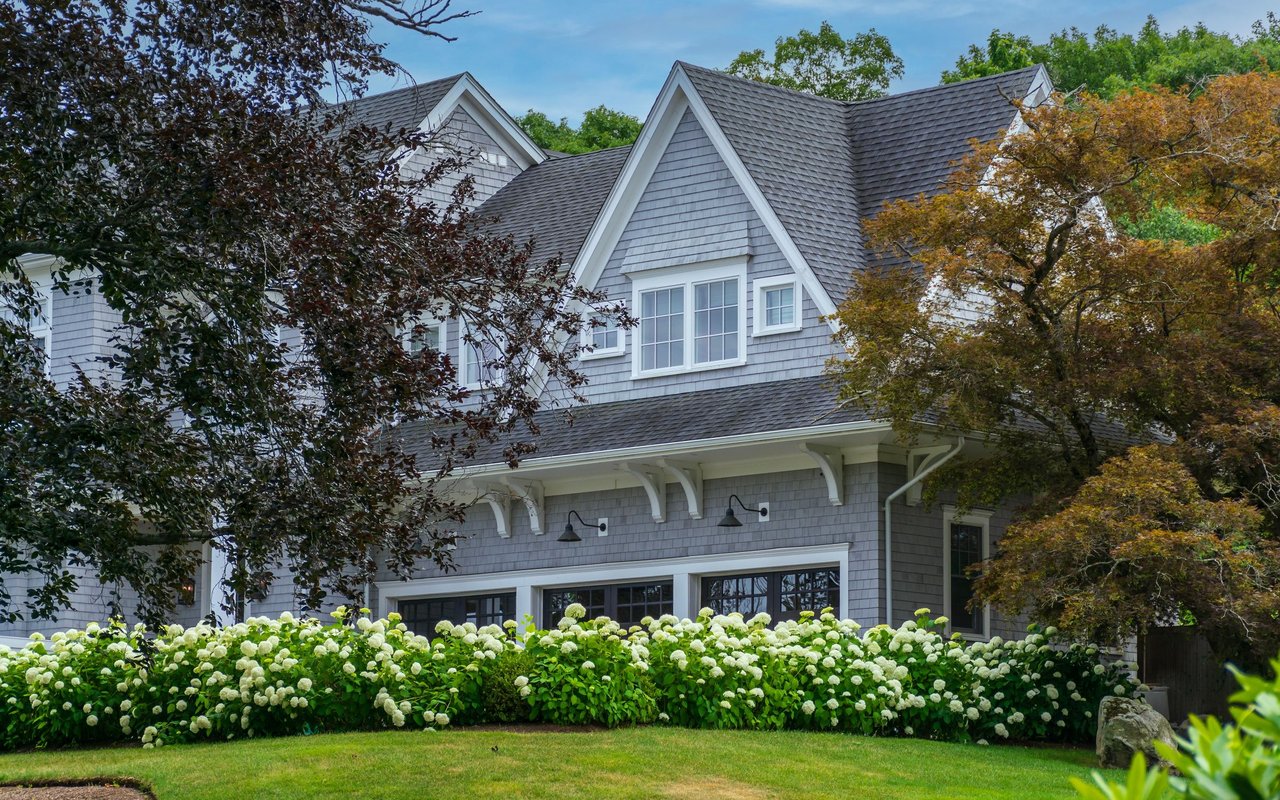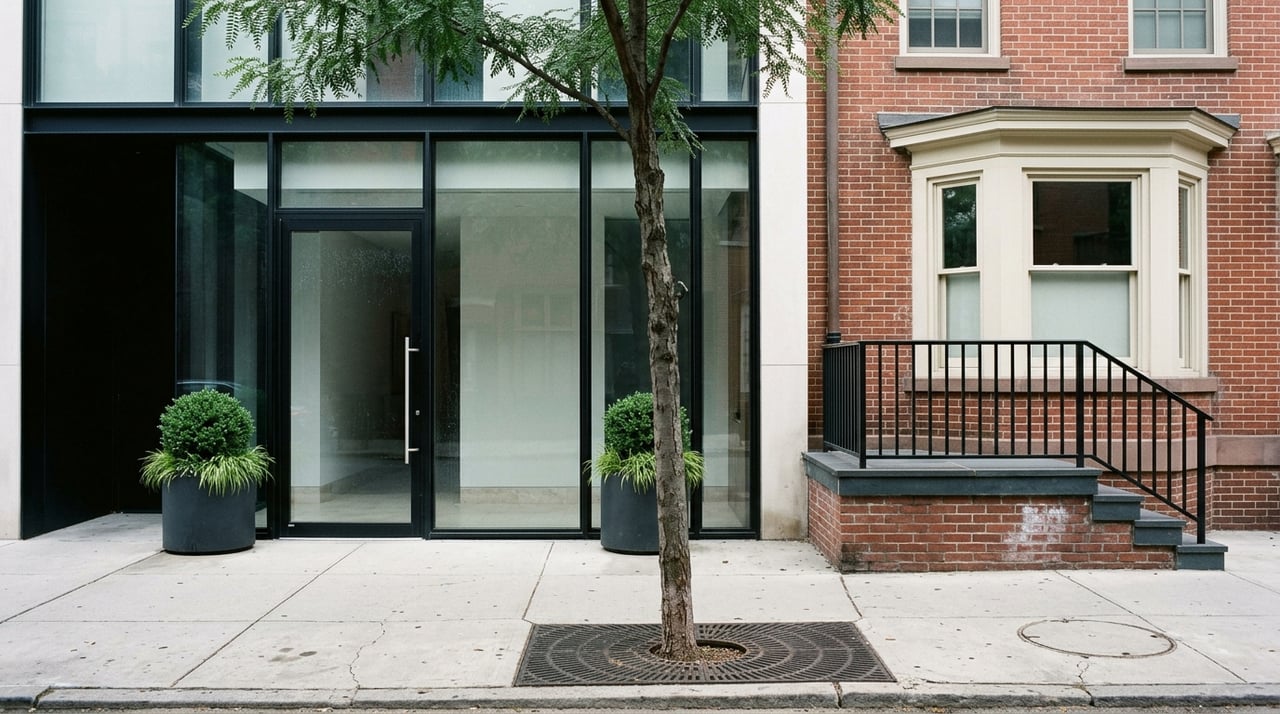
Picture glassy waterfront towers on one side and tree-lined brownstones on the other. If you are deciding between Boston’s Seaport and Back Bay, you are really choosing a daily rhythm: modern, amenity-rich energy or classic, walkable charm. In this guide, you will compare vibe, housing, transit, dining, parks and practical buying tips so you can align a neighborhood with your lifestyle and budget. Let’s dive in.
Seaport vs Back Bay at a glance
Seaport at a glance
Seaport grew from former rail and industrial land into a dense, contemporary waterfront known as Boston’s Innovation District. You will see glass towers, new plazas and an active events calendar tied to the BCEC and the waterfront. Ongoing master plans signal more mixed-use projects and civic spaces ahead, so expect some continued construction alongside new amenities outlined by the BPDA.
Housing here skews new: high-rise condos and purpose-built rentals with concierge, gyms, rooftops and harbor views. Around Fort Point, you will also find select warehouse conversions. Public spaces like the Harborwalk, Fan Pier, Seaport Common and the ICA’s waterfront home create a lively edge for art and outdoor time highlighted by the ICA.
Back Bay at a glance
Back Bay reads like classic Boston. It is a compact, historic district of Victorian brownstones, the Commonwealth Avenue Mall and the retail spine of Newbury Street and Copley Square. The feel is refined and established, with boutique shops and long-standing restaurants that reward slow walks and people-watching described in WBUR’s neighborhood guide.
Most buildings are 19th-century rowhouses converted to condos, plus a handful of high-end towers near Prudential and Copley. Exterior changes inside the Back Bay Architectural District are regulated, which helps preserve the streetscape’s character.
Home types and pricing snapshot
Both neighborhoods sit among Boston’s most expensive condo markets, yet the price dynamics differ.
- Seaport: Recent snapshots show condo medians roughly in the 1.6–1.9 million dollar range, with higher price-per-square-foot for newer towers and water views. Small sales counts per quarter can swing medians, so read the metric and date window carefully.
- Back Bay: A wider mix of property types creates a broader spread. Recent snapshots commonly reference 1.3–1.9 million dollar medians for condos, with brownstone flats on one end and luxury penthouses and townhouses at the high end.
What this means for you: compare apples to apples. Note whether a stat is a median listing price or a median closed sale price, and check the period reported. A single month can look very different from a rolling 12-month view.
Getting around: commutes and airport access
Downtown and the Financial District
From Seaport, you can often walk to the Financial District or South Station. The MBTA Silver Line stops within the district connect to South Station, which makes short commutes straightforward per the Seaport TMA’s transit guide.
Back Bay anchors around Back Bay Station and the Copley area. You have the Orange Line and several Commuter Rail lines, so rail access to downtown is strong. The walk to the Financial District is longer from here than from Seaport, but still feasible depending on your route and pace.
Logan Airport
If you travel often, Seaport has a practical advantage: the Silver Line Waterfront’s SL1 runs directly from the South Boston Waterfront to Logan Airport terminals documented in an MBTA existing-conditions report. From Back Bay, you will transfer through South Station or use a quick taxi or ride-hail for a simple, but not one-seat, trip.
Bikes and ferries
Both neighborhoods benefit from expanding bike infrastructure and Bluebikes stations, which the city continues to add across Boston per the Bluebikes expansion update. The city and BPDA have also supported seasonal and commuter ferry connections that enhance Seaport’s waterfront mobility, diversifying options beyond the street network.
Lifestyle: dining, shopping and parks
Dining and nightlife
Seaport leans into chef-driven restaurants, food halls and large indoor-outdoor venues that draw crowds for after-work dinners and weekend plans. It also hosts seasonal programming on public greens and plazas, so the scene stays active most of the year reflected in Eater’s Boston dining map.
Back Bay shines for classic, sit-down dining along Newbury Street and near Copley and Prudential. Seasonal Open Newbury events close parts of the street to cars on select days, which turns the corridor into a festive pedestrian experience covered by the Boston Globe.
Shopping
Back Bay offers a deep bench of boutiques on Newbury plus Copley Place and the Prudential Center for indoor shopping. Seaport’s retail is newer and more modular, with pop-ups, markets and ground-floor spaces integrated into recent developments highlighted in Boston Magazine’s shopping picks.
Parks and waterfront
Seaport’s appeal includes the Harborwalk, Fan Pier and new pocket parks, so you are rarely far from a waterfront stroll. The ICA’s deck and nearby public spaces add to the seaside feel.
Back Bay’s green network is time-tested. The Commonwealth Avenue Mall, the Public Garden and the Charles River Esplanade create one of Boston’s best corridors for walking, running and biking described by the City of Boston.
Which neighborhood fits your goals
- Choose Seaport if you want modern buildings, amenity-rich living and easy airport access. You will find newer construction, concierge services and direct SL1 service to Logan. Tradeoffs can include premium pricing, active event nights and ongoing development activity nearby.
- Choose Back Bay if you value historic character, boutique retail and a classic Boston streetscape. You will find brownstone charm, strong rail access at Back Bay Station and established parks. Tradeoffs can include limited exterior renovation flexibility and varied building conditions in older stock.
Buyer checklist for Seaport and Back Bay
Use this quick checklist to compare specific addresses and buildings:
- Confirm the exact data metric for any price stat you review, including the date window and whether it is closed-sales or active listings.
- Request HOA budget, reserve study, meeting minutes and any recent or upcoming special assessments.
- For older Back Bay buildings, review facade, roof, elevator and mechanical histories. For Seaport, check for nearby construction schedules and permits that could affect noise or views.
- Walk your commute during peak hours to test route, timing and transit load using the Seaport TMA guide for options.
- Verify deeded or leased parking details, including monthly costs if a space is not included.
Work with a local partner
Choosing between Seaport and Back Bay comes down to how you want to live day to day. If you want help matching building quality, HOA strength and neighborhood tradeoffs to your goals, our team can guide you. Prime Realty is a boutique Boston brokerage with full-service support across buying, selling, leasing and property management. Ready to compare listings or schedule a neighborhood walk-through? Connect with Prime Realty to schedule a free market consultation.
FAQs
What is the main lifestyle difference between Seaport and Back Bay?
- Seaport feels modern and event-forward with new towers and waterfront hangouts, while Back Bay offers historic brownstones, boutique retail and classic, tree-lined streets.
How do condo fees typically compare in the two neighborhoods?
- Seaport’s amenity-rich towers often have higher HOA fees for services like concierge, gyms and rooftops, while Back Bay fees vary due to older buildings’ maintenance and capital needs.
Which neighborhood is better for frequent flights to Logan Airport?
- Seaport offers direct Silver Line SL1 service to Logan terminals, while Back Bay residents usually transfer through South Station or use a short taxi or ride-hail.
How challenging is parking in Seaport and Back Bay?
- Parking is limited and costly in both, so many residents secure deeded or leased garage spaces or go car-free and rely on the T, ride-hail and Bluebikes.
What price ranges should I expect for condos in 2025 snapshots?
- Recent snapshots often show Seaport medians around 1.6–1.9 million dollars and Back Bay around 1.3–1.9 million dollars, but always check the source, metric and date window.