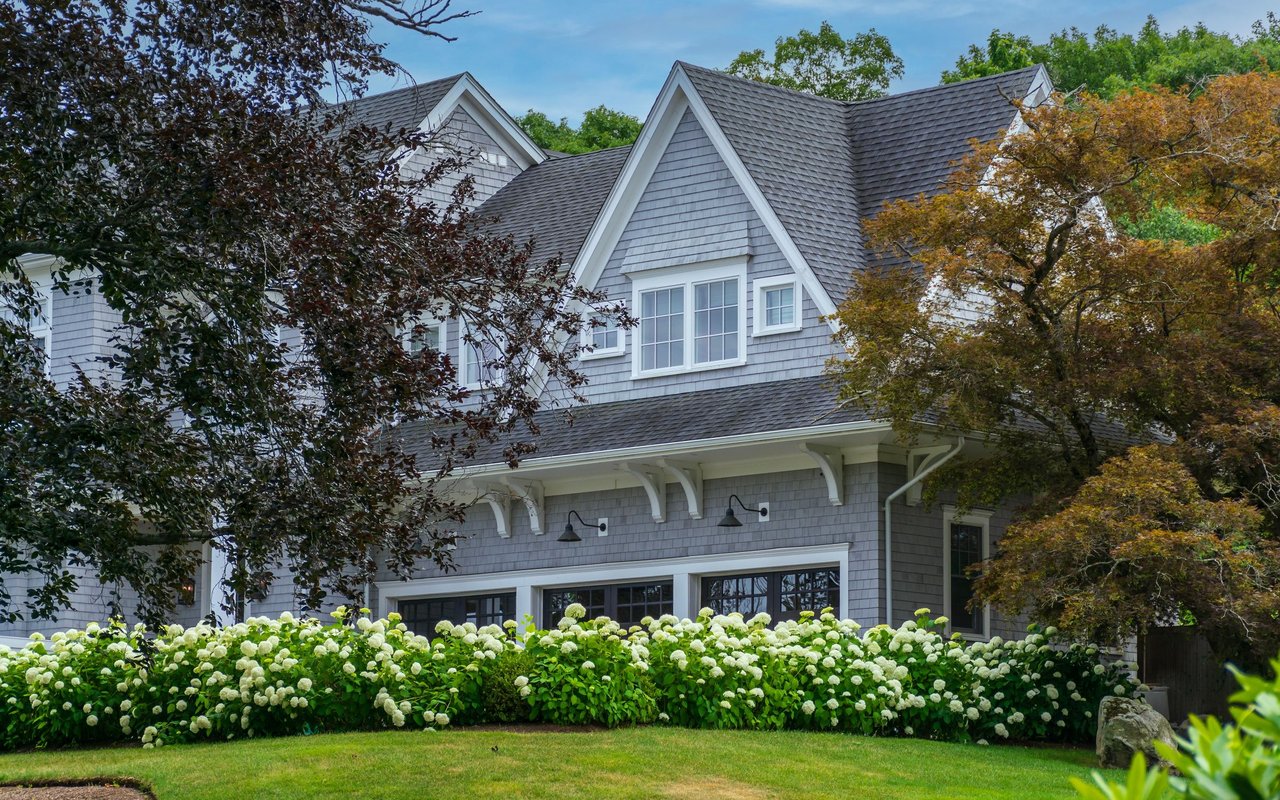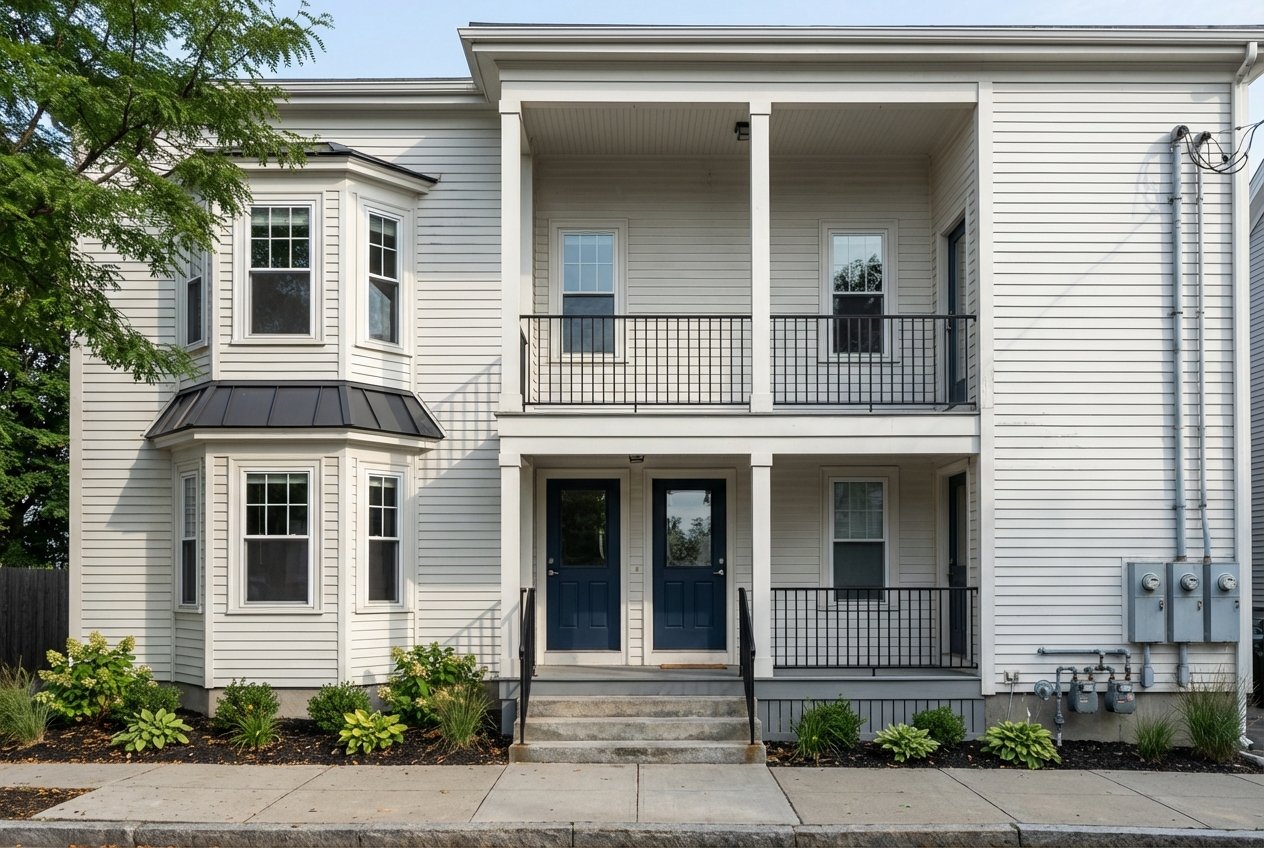
Thinking about buying a small multi-family in Somerville as your first investment? You are not alone. With strong renter demand, limited land for new supply, and easy access to Boston and Cambridge, Somerville can be a smart place to start. In this guide, you will learn what to buy, how to run the numbers, which rules matter, and how to move from curiosity to a confident offer. Let’s dive in.
Why Somerville works for beginners
Somerville is a renter-heavy market with steady demand across 2 to 4 unit buildings. Citywide average rents sit in the mid-$3,000s per month, which supports income potential if you buy the right building at the right basis. Limited developable land and a mature housing stock keep supply tight.
Proximity to MBTA stations is a major value driver. Blocks near Davis, Porter, Union, and Assembly often command rent and price premiums. Keep in mind that performance is block by block, so you should pull actual comparable leases when you underwrite.
What you can buy and what to inspect
Common 2–4 unit buildings
You will mostly see classic New England wood-frame triple-deckers with one unit per floor. Small brick walkups and converted Victorians also appear across the city. These forms shape plumbing and heating layouts, parking constraints, and future renovation choices, which affects both operating costs and long-term plans.
Age and systems to expect
Many small multi-family buildings were built before 1950 to 1970. Expect the possibility of older roofs, boilers or hot-water systems, and in some cases older wiring like knob-and-tube. These factors raise near-term capital needs, so budget conservatively and get a full inspection. Local broker notes for Somerville underline the importance of planning for vacancy, management, and age-related upkeep, which you can see reflected in typical underwriting ranges reported by market observers (Somerville-focused broker commentary on vintage and expenses).
Legal and safety checks
At inspection, confirm legal unit count and certificate of occupancy, and review building and fire code compliance. If the property predates 1978, plan for the possibility of lead-based paint. Also verify if utilities are separately metered or master-metered, since owner-paid utilities can change your operating math.
How to run the numbers
Start with rent and vacancy
Begin with current in-place rents and nearby leases for similar size, finish, and proximity to transit. Somerville’s citywide averages suggest mid-$3,000s per month, but micro-markets can vary. A practical vacancy and collection allowance for small buildings in Somerville is often in the 4 to 8 percent range, depending on location and condition (market notes on vacancy and underwriting ranges).
Build your expense model
Your pro forma should include property taxes, insurance, any owner-paid utilities, routine repairs and maintenance, property management, turnover costs, legal and accounting, and a capital reserve. Use the City’s assessing resources to estimate annual taxes based on the actual parcel and current rate (Somerville Assessing office and residential tax info). Third-party property management often runs about 6 to 10 percent of collected rent, while self-managing saves cash but adds time and complexity (Somerville underwriting ranges for management).
For older small buildings, a conservative operating expense ratio is roughly 30 to 50 percent of effective gross income. Use the higher end for older triple-deckers or owner-paid heating, and always verify with actuals from the seller and your inspector (industry research on small multifamily expense ratios). For capital reserves, many investors plan monthly per-unit set-asides to cover future systems and envelope work. The older the building and the colder the climate, the more conservative you should be in your reserve planning.
Sample 3‑unit pro forma
Here is a simple baseline example you can adapt to your case:
- Scheduled market rent: 3 units × $3,000 = $9,000 per month, or $108,000 per year.
- Vacancy and collection loss at 6 percent: minus $6,480. Effective gross income: $101,520.
- Operating expenses at 40 percent of EGI: minus $40,608. Net operating income: $60,912.
- If purchase price is $1,300,000, the cap rate is about 4.7 percent.
Treat this as illustrative. Run pessimistic, base, and optimistic cases, and stress test small changes in rent, taxes, and utilities, since they can swing cash flow in a low cap rate market.
Financing options for house-hackers
Owner-occupant financing can help you get into 2 to 4 units with a lower down payment if you plan to live in one unit. FHA 203(b) allows 1 to 4 unit purchases with as little as 3.5 percent down for eligible borrowers, and requires you to occupy a unit as your primary residence within a set period after closing (FHA single-family program overview).
Conventional financing has also expanded. Fannie Mae introduced a 5 percent down option for owner-occupied 2 to 4 unit purchases through recent policy changes, though lender overlays and reserve rules vary, so confirm details with a local lender (overview of the 5 percent down conventional option).
Loan limits change by county and unit count each year. Check current FHA and conforming limits for Middlesex County before you assume a price range, especially for 3 or 4 units (HUD county loan limit lookup tool).
Local rules that shape returns
Massachusetts voters approved a 1994 statewide measure that curtailed traditional municipal rent control. Proposals continue to surface, but local rent regulation remains constrained by state law, so it is important to follow policy changes without assuming broad local control will return (1994 ballot measure results and summary).
Somerville also maintains a robust Condominium Conversion framework and an active Condominium Review Board. If you plan to convert, remove units from the rental market, or buy a property with a conversion history, review the rules and any case files early to understand tenant protections and possible relocation benefits (Somerville Condominium Review Board department page).
Short-term rentals are regulated and must be registered. Only primary-residence units can operate as short-term rentals under the ordinance, which limits Airbnb-style income from non-owner units in most cases (Somerville short-term rental rules and registration).
Transit and micro-markets to watch
Transit access is a top driver of both rent and occupancy. The MBTA Green Line Extension opened Somerville stations in 2022 and extended the Community Path, which expanded the walkable radius to transit and shifted demand across several blocks (City of Somerville Green Line Extension information).
When you underwrite, model a premium for proximity to Davis, Porter, Union, and Assembly, and then verify with real, recent leases. A renovated 3‑unit near a station can perform very differently from an older triple-decker farther out. Let actual comps and your inspector’s findings guide rent assumptions and capex plans.
Due diligence checklist before you offer
Use this quick list to stay focused and reduce surprises:
- Confirm the legal unit count and permits. If conversion is part of your plan or the building has a history, read up with the City’s Condominium Review Board resources.
- Pull the last few years of property tax bills and estimate the current bill using the City’s assessing page. Note any residential exemptions if you plan to occupy one unit.
- Request the rent roll, current leases, 12 months of utility bills for owner-paid items, and a basic profit-and-loss. Compare those numbers to your underwriting ranges for vacancy, management, and reserves.
- Order a full building inspection that covers structure, roof, boilers or HVAC, plumbing, and electrical. Ask a contractor for a written estimate to address deferred maintenance and code items.
- Check short-term rental eligibility if you are considering STR income, and confirm any building registration status with the City.
- Verify your loan program with a local lender who frequently closes 2 to 4 unit deals in Middlesex County. Confirm down payment, reserves, and loan limits for your specific unit count.
Work with a local partner
If you are serious about a Somerville 2 to 4 unit, you want a partner who knows the micro-markets and can carry the asset from acquisition through leasing and management. Prime Realty combines neighborhood expertise with full-stack operations, including valuation, tenant placement, in-house maintenance, and long-term portfolio guidance. That means you get one accountable team from offer through stabilization and beyond.
Ready to explore active opportunities or pressure-test an underwriting model? Schedule a free market consultation with Prime Realty.
FAQs
What should a first-time investor know about Somerville multi-family rents?
- Average citywide rents are roughly in the mid-$3,000s per month, but actual lease comps near MBTA stations often command premiums, so verify with recent local leases.
How does the Green Line Extension affect Somerville rental demand?
- New GLX stations and the extended Community Path improved access and walkability, which supports rent and occupancy premiums within easy reach of the stations (City GLX overview).
What operating expense ratio should I use when underwriting a 3‑unit?
- A conservative range for older small buildings is about 30 to 50 percent of effective gross income, with the higher end for older product or owner-paid heat (industry expense ratio research).
Can I buy a Somerville 2–4 unit with a low down payment if I live in one unit?
- Yes. FHA can allow as little as 3.5 percent down with occupancy rules, and Fannie Mae offers a 5 percent down option for owner-occupied 2–4 units, subject to lender overlays and county loan limits (FHA overview, Fannie 5 percent down summary, HUD limit lookup).
What Somerville rules could affect converting to condos or doing short-term rentals?
- The City enforces a detailed Condominium Conversion process with tenant protections and relocation benefits, and only primary-residence units can operate as short-term rentals, so review both before you buy (CRB department page, STR rules).