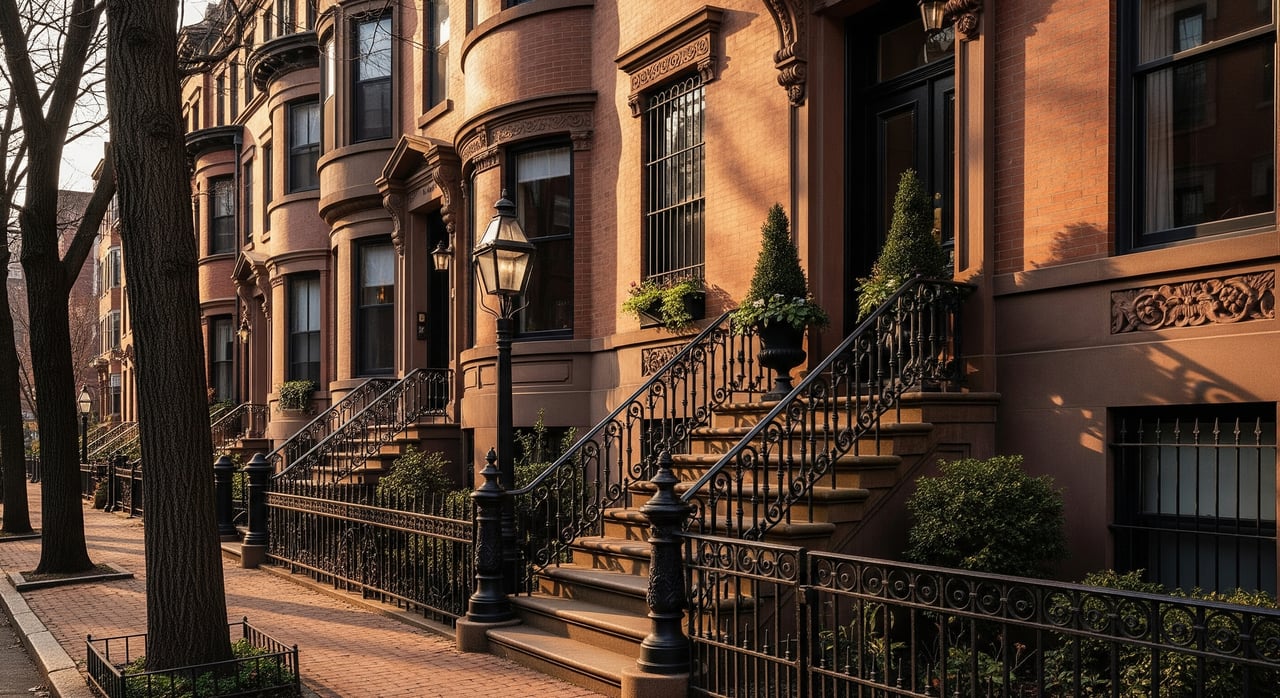
Thinking about listing your South End brownstone? Getting top dollar in this market takes a plan tailored to historic rowhouses, not a one-size-fits-all approach. You want a smooth sale, a strong price, and a timeline that works for your next move. In this guide, you will learn how to position your brownstone for success with a proven strategy for valuation, preparation, pricing, marketing, and compliance that fits the South End. Let’s dive in.
Know your South End buyer
South End brownstones attract buyers who value history, design, and location. Many are higher-income professionals, urban families, and downsizers who want a central address with character. You will also see investor interest for multi-unit brownstones with income potential.
Highlight the features that buyers here prioritize. Historic details, parlor-floor ceilings, and original millwork help listings stand out. Private outdoor space, such as gardens, patios, and roof decks, adds meaningful appeal. Deeded or off-street parking is rare and commands a premium. For multi-unit properties, investor buyers also weigh rent rolls and cap rates in addition to owner-occupier appeal.
Value drivers unique to brownstones
Historic details that sell
Intact period elements usually add value. Buyers notice original moldings, fireplace surrounds, plasterwork, and hardwood floors. If you have preserved details, make them visible and well lit during showings and in your photography.
Layout, flow, and light
How the home lives matters as much as total square footage. Open or well-connected kitchens, practical bath count, and smart bedroom placement support buyer confidence. Parlor floors and higher ceilings are premium features. In deeper layouts, use lighting to brighten interior rooms and show circulation clearly in floor plans.
Outdoor space and parking
A private garden, patio, or rooftop deck can move a buyer from browsing to writing. Stage outdoor areas with simple furniture and greenery so buyers see how they can use them. Parking is scarce in the South End and often justifies a higher price, so document any deeded or licensed spaces.
Mechanical condition and systems
Buyers expect major systems in good working order or well documented upgrades. HVAC, electrical, plumbing, roof condition, and windows can influence pricing and negotiations. Service records help reduce uncertainty and protect your list price.
Single-family vs. multi-unit
Single-family brownstones are primarily lifestyle purchases. Multi-unit properties are valued for both lifestyle and income. Provide complete rent rolls, lease terms, and operating expenses upfront for investor buyers. This transparency can speed underwriting and reduce back-and-forth during due diligence.
Micro-location within the South End
Two similar homes on different blocks can trade at different prices. Proximity to parks, dining, and quieter side streets, as well as outlooks over courtyards or busier corridors, all matter. Use truly local comparables and reflect block-level nuances in your pricing strategy.
Build your pricing plan
Start with tight comparables
Work from 3 to 6 recent sales of similar brownstones within roughly a half mile and the past 6 to 12 months. Adjust for bedroom and bath count, finished square footage, ceiling height, renovation quality, outdoor space, finished lower levels, and parking. Price per square foot can inform the range, but it should not drive the final number given variation in layouts and historic features.
Cross-check your target price against days on market and the sale-to-list ratio for the South End. Weigh live buyer signals like inventory levels and recent multiple-offer activity. A pricing review just before going live helps you react to any market shifts.
Choose the right approach
- Aggressive, below-market pricing to spark early multiple offers. Pros: strong traffic and potential bidding. Cons: risk if comps do not support a premium outcome.
- Market-value pricing based on a detailed CMA. This is the steady option and aims to balance price with shorter days on market.
- Premium pricing for turnkey, best-in-class homes. Consider this if you have rare amenities such as deeded parking, a large garden, or a recent high-end renovation.
Set negotiation guardrails
Decide upfront how you will respond to inspection requests, credits, or quick-close timelines. Build net sheets for multiple scenarios that include carrying costs and potential concessions. For multi-unit properties, be ready to share documents early and to accommodate lender appraisals that scrutinize rent data.
Prep that pays
Prioritize high-impact updates
- Kitchens and baths. Neutral, quality finishes have strong ROI. Even modest refreshes like counters, hardware, and lighting can lift perceived value.
- Mechanical and safety fixes. Resolve electrical, plumbing, or heating issues and provide service records. Buyers discount unknowns.
- Exterior and structure. Address masonry or stonework deterioration, roof leaks, and drainage. These repairs reassure buyers and support premium pricing.
- Windows and insulation. Where drafts are obvious, targeted improvements or recent upgrade documentation adds confidence.
Basements and code compliance
Finished lower levels must meet code for egress and ceiling height. If you have unpermitted work, disclose it and consider addressing essential issues before listing. For multi-unit properties, confirm occupancy and egress compliance.
Staging for brownstones
Aim to preserve character while helping buyers picture modern living. Keep original features visible. Use a neutral palette and scaled furnishings to maximize flow through parlors and along staircases. Define how each room works, including flexible work or guest zones.
Quick staging checklist
- Declutter and depersonalize
- Neutral paint in living and kitchen
- Professional cleaning and window washing
- Minor repairs and fresh hardware in kitchen and baths
- Simple greenery and furniture in gardens or on rooftops
- A defined dining area and a clear work space
Marketing that tells the full story
Visuals that sell the lifestyle
High-quality photography is non-negotiable. Capture the parlor scale, period details, the kitchen as a hub, and any garden or roof deck. Use a wide lens thoughtfully to show volume without distortion. Provide accurate, to-scale floor plans so buyers can understand how levels connect. A virtual tour or 3D walkthrough helps out-of-town buyers and clarifies vertical circulation. Drone or roof views can showcase decks and skyline, subject to local rules.
Digital and agent outreach
Your MLS listing should be complete, with professional photos, a detailed description, floor plans, and a virtual tour. Targeted social advertising can reach likely Boston-area buyers interested in historic homes and urban living. Email broker opens and property blasts to agents who focus on luxury and historic stock help build early momentum. A dedicated property page with a downloadable brochure and neighborhood overview supports online discovery. Print brochures still matter at broker caravans and open houses for this product type.
Open houses and showings
Consider both broker and public opens. Broker opens create early professional buzz and qualified previews. For higher-priced properties, by-appointment showings can manage traffic and protect privacy while keeping urgency high.
Timeline and checklist
Typical pre-listing timeline
- 4 to 6 weeks before listing. Choose your agent, run a detailed CMA, set your pricing strategy, and schedule pre-listing inspection if desired. Start critical repairs, staging plans, and book photography and floor plans.
- 2 to 3 weeks. Complete repairs, deep clean, and staging. Capture professional photos, floor plans, and virtual tour. Draft marketing materials and listing copy.
- Week of listing. Launch online, host a broker open, and schedule public open houses if appropriate.
- 0 to 6 weeks after listing. Review offers, negotiate, handle inspections, and move to closing. Typical closings run 30 to 60 days depending on financing.
Pre-listing essentials
- Comparative market analysis and pricing scenarios
- Pre-listing inspection and repair plan
- Staging, cleaning, photography, floor plans, and virtual tour
- Seller disclosure documents and permit history
- Marketing plan across MLS, broker outreach, digital ads, and print
- Financials ready, including property tax history and, if applicable, rent rolls and condo or co-op documents
- Attorney and closing contacts
Regulations and disclosures to get right
Much of the South End sits within a historic or landmark district overseen by Boston’s preservation authorities. Exterior changes like window replacements, stoop work, or façade repairs often require review and approval. Gather records of past approvals, disclose recent exterior work and permits, and advise buyers that future exterior changes may need review.
Finished basements and non-conforming areas must meet code for egress and ceiling height. If the property has multiple units, confirm occupancy and safety compliance before going to market. Massachusetts sellers should prepare required disclosures, including lead paint notices for pre-1978 housing, and provide known material facts. Typical documentation includes utility bills, service records, permits, deed and title information, and any historic district approvals. Work with your agent and a Massachusetts real estate attorney to ensure current forms and obligations are covered.
Tailor your message for owners and investors
If you are selling a multi-unit brownstone, speak to both buyer groups. Owner-occupiers focus on design, finished living space, and lifestyle. Investors focus on income and expenses. Prepare two sets of collateral: one that tells the lifestyle story with photos and floor plans, and one that presents rent rolls, lease terms, and operating expenses in a clear, organized way.
Five quick wins buyers notice first
- A bright, neutral kitchen with updated counters and hardware
- Refreshed baths with modern fixtures and spotless grout
- Documented service history for HVAC, roof, and windows
- A staged garden or roof deck that feels usable
- Clear, accurate floor plans that show vertical flow
Why partner with Prime Realty
You deserve a partner who knows the South End block by block and can manage the details from prep to closing. Prime Realty is an independent Boston brokerage with more than thirty years of local experience. The team pairs analytics-driven valuation and negotiation with polished marketing and full-stack services that cover sales, leasing, and property management. For owners and investors, integrated operations, including in-house maintenance and investor advisory, reduce friction and protect value.
Ready to put a winning plan in place for your South End brownstone? Schedule a free market consultation with the experts at Prime Realty.
FAQs
How should I price a South End brownstone to attract strong offers?
- Start with 3 to 6 hyperlocal comps, adjust for renovations, ceiling heights, outdoor space, parking, and configuration, then choose between aggressive, market-value, or premium pricing based on demand signals.
What pre-listing repairs deliver the best ROI for brownstones?
- Focus on kitchens and baths, mechanical and safety fixes, exterior masonry and roof, targeted window and insulation improvements, and a thorough clean with neutral paint where needed.
Do I need approvals to make exterior changes before listing in the South End?
- Many exterior changes require historic or landmark review, so gather past approvals, pull permits as needed, and disclose recent work to set clear expectations for buyers.
Will a pre-listing inspection help my sale?
- Yes, it reduces buyer uncertainty and can streamline negotiations, but it may reveal items you will need to repair or price for, so plan and budget accordingly.
What documents do investor buyers expect for multi-unit brownstones?
- Provide rent rolls, lease terms, operating expenses, utility info, and any permits or code compliance records early to support underwriting and appraisals.