If you picture Boston waterfront living as equal parts skyline views and everyday convenience, the Seaport District is probably already on your radar. But living on the water here is about more than a pretty harbor backdrop. It means newer condo buildings, walkable access to parks and dining, and a neighborhood rhythm that can feel lively, seasonal, and distinctly urban. Let’s take a closer look at what waterfront living in Boston’s Seaport District actually feels like.
What waterfront living means in Seaport
Boston’s Seaport is a mixed-use harbor district centered around places like Fan Pier and the Harborwalk. Much of the neighborhood sits along Boston’s coastline, and the area has evolved from former industrial and filled land into a dense waterfront district with towers, public spaces, retail, and event venues.
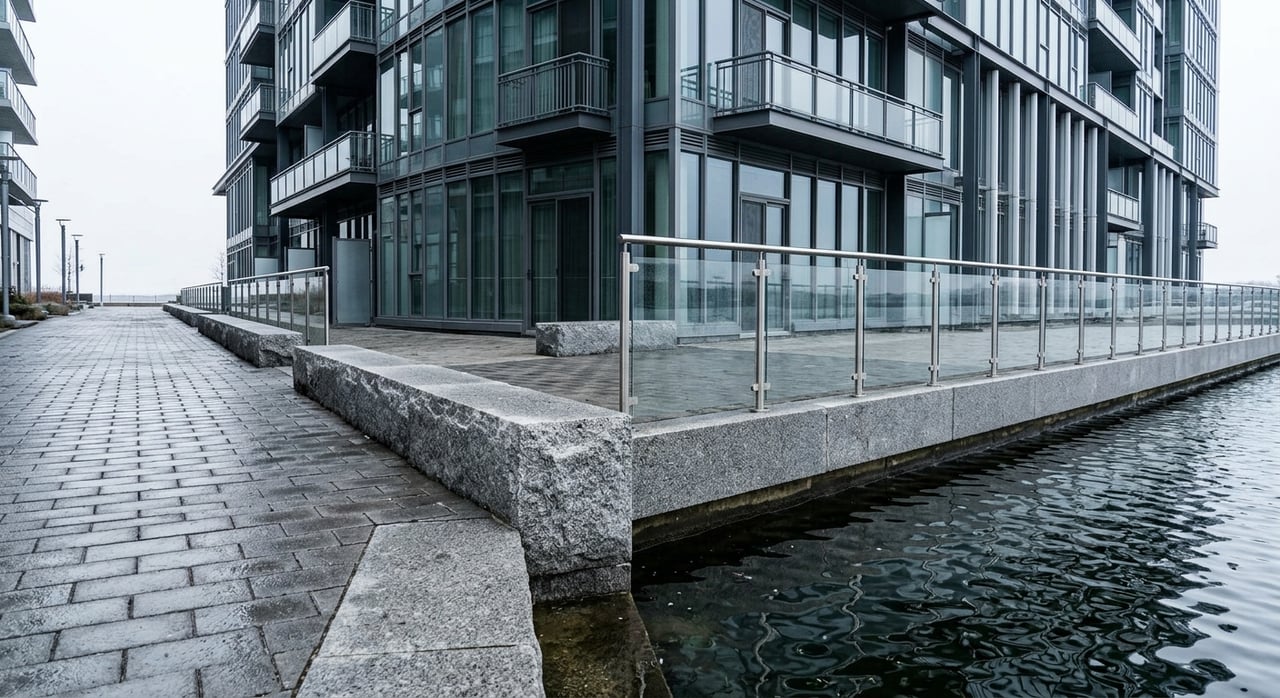
That setting gives you a very specific kind of city lifestyle. You are not just near the water. You are living in a place where promenades, parks, plazas, and marina views are built into the neighborhood experience.
Harborwalk access shapes daily life
One of the biggest draws is the Harborwalk, a near-continuous 43-mile linear park along Boston’s shoreline. In the Seaport, neighborhood maps place the Harborwalk alongside Fan Pier Park, the Public Green, Seaport Common, South Boston Maritime Park, and Fan Pier Marina.
For you as a resident, that means your daily routine can include waterfront walks, open green space, and easy access to public gathering areas. In practical terms, the waterfront here feels active and usable, not just scenic.
Fan Pier shows the neighborhood’s evolution
Fan Pier is one of the clearest examples of how the Seaport has changed. What was once a stretch of parking lots became a 21-acre waterfront master plan with housing, retail, public space, and transit access.
That matters because it explains the district’s overall character. Seaport living tends to feel newer, more planned, and more vertical than many of Boston’s older residential areas.
Which waterfront buildings stand out
If you are searching specifically for direct-waterfront condos, most of the best-known options cluster around Fan Pier and Pier 4. These buildings are some of the most visible residential addresses along the harbor.
The names you will hear most often include:
- Twenty Two Liberty, a 109-residence luxury condo building completed in 2015
- 50 Liberty, a 120-residence building completed in 2018 with Harborwalk frontage and close access to parks, marina space, retail, and restaurants
- Residences at PIER 4, a 106-unit building noted as the only Seaport residence surrounded by water on three sides
- One Harbor Shore, a 122-condo project scheduled for late 2026
- Echelon Seaport, a larger mixed-use development with 447 condos, 285 apartments, retail space, and extensive resident amenities
Expect newer, service-heavy condo living
Compared with Boston’s older housing stock, Seaport waterfront condos are generally newer and more amenity-driven. Across these buildings, the common theme is full-service living.
Depending on the property, you may find features like 24-hour concierge or doorman service, valet or garage parking, resident lounges, clubrooms, fitness centers, terraces, and in larger buildings, indoor and outdoor pools or sky lounges. Some buildings also include public plazas, ground-floor retail, and cultural or civic uses.
What daily life feels like
Seaport waterfront living can be very convenient if you want a neighborhood where dining, culture, and open space are close together. The area around Fan Pier and the broader Seaport includes nearly 80 restaurants, along with a gourmet market, bookstore, yoga studio, childcare center, bank, coffee shop, and bakery café.
That concentration of businesses changes how the neighborhood functions. You can step out of your building and quickly reach everyday services, restaurants, and public spaces without needing to travel far.
Dining and retail are part of the appeal
The retail mix around Fan Pier and the surrounding Seaport includes a broad range of dining names, from casual spots to established restaurant groups. For many buyers, that creates a live-near-everything appeal that is hard to match elsewhere on the waterfront.
If your ideal home base includes nearby coffee, dinner options, and a polished urban setting, Seaport delivers that in a dense, walkable format.
Culture is close to home
The waterfront lifestyle here also includes access to major cultural destinations. The Institute of Contemporary Art sits on Boston Harbor in the Seaport, and Boston Children’s Museum is located on Fort Point Channel at 308 Congress Street in the Fort Point and Seaport area.
These institutions add more than weekend entertainment. They help make the district feel active year-round and reinforce that this is a neighborhood with both residential and public life.
Getting around without losing flexibility
A common question about Seaport living is whether you need a car. The short answer is not necessarily.
The neighborhood has walkable dining and retail, access through South Station, Silver Line waterfront connections, and a new commuter ferry stop at Pier 10 in Raymond L. Flynn Marine Park. That ferry connects North Station and the South Boston Waterfront on weekdays during commute hours.
Walkability is strong, parking is still a factor
You may be able to handle much of daily life on foot or with transit, especially if your work and routines are centered in Boston. That said, parking remains one of the area’s practical tradeoffs.
Local venues in the district note that parking can be limited. Reported parking costs in the Seaport may range from $25 to $45, and several destinations encourage visitors to use garages or public transit instead of expecting easy on-site parking.
If you own a car, garage access and parking terms may deserve extra attention when you compare buildings.
What buyers should know about seasonality
Seaport’s energy is a major draw, but it also comes with a busier seasonal rhythm than some other Boston neighborhoods. In warmer months, the waterfront can feel especially active.
That is partly because of major public attractions and event venues. Leader Bank Pavilion operates as an outdoor live-music venue on Boston Harbor, and city advisories have also noted street closures tied to summer waterfront events.
Busy summers are part of the package
You should expect more foot traffic, more street activity, and potentially more noise on concert nights, cruise days, and major event weekends. This is especially relevant if you are looking near Fan Pier, the pavilion, or Flynn Cruiseport Boston.
For some buyers, that activity is part of the appeal. For others, it is something to weigh carefully against the benefits of being right on the waterfront.
Flood resilience is part of the conversation
Because Seaport sits along Boston’s coastline, flood resilience is an important part of the neighborhood story. Boston’s coastal-resilience planning includes the South Boston waterfront, and city guidance states that flood protection efforts should preserve public waterfront access.
The Fort Point Channel has also been identified as a flood corridor into Seaport and South Boston. So if you are evaluating a waterfront home here, it is reasonable to understand resilience planning as part of the long-term picture.
Why this matters for your search
Flood planning does not mean the neighborhood lacks appeal. It means you are buying into a waterfront district where the city is actively planning for future coastal conditions while balancing public access and neighborhood function.
For you, that makes due diligence especially important. A building’s location, design, and overall setting along the waterfront are all useful pieces of the decision-making process.
Is Seaport waterfront living right for you?
The strongest case for Seaport waterfront living is straightforward. You get harbor views, high-service condo options, direct access to public waterfront space, dense dining and retail, and close proximity to cultural destinations.
The tradeoffs are just as real. You may encounter more event-driven noise, more seasonal crowds, parking friction, and a visible focus on long-term flood resilience planning than you would in Boston’s more traditional residential neighborhoods.
If you want a modern, full-service condo lifestyle on the water, Seaport can be a compelling fit. If you value a quieter, less event-oriented setting, you may want to compare it carefully with other Boston neighborhoods before deciding.
When you are weighing that decision, local building-by-building insight matters. The right choice often comes down to how a specific address, view line, amenity package, and daily street experience match your priorities. If you want help comparing Seaport waterfront options with a clear, data-driven local perspective, schedule a free market consultation with Prime Realty.
FAQs
What is waterfront living like in Boston’s Seaport District?
- Waterfront living in Seaport combines harbor views, direct access to the Harborwalk and public green spaces, newer condo buildings, and a busy urban atmosphere with dining, retail, and cultural destinations nearby.
What condo buildings sit directly on the water in Seaport?
- The most visible direct-waterfront condo buildings include Twenty Two Liberty, 50 Liberty, Residences at PIER 4, and the under-construction One Harbor Shore, with Echelon Seaport also offering a major nearby residential option.
Do you need a car to live in Boston’s Seaport District?
- Not necessarily. Many daily needs can be handled on foot or through transit connections, including South Station, Silver Line waterfront service, and the commuter ferry, though parking can still be limited and costly.
Does Boston’s Seaport District feel busy year-round?
- The area is active throughout the year, but it tends to feel especially busy in summer and around concerts, cruise activity, and large waterfront events.
Is flood risk part of buying near the Seaport waterfront?
- Yes. Boston’s coastal-resilience planning includes the Seaport and South Boston waterfront, and the area remains part of the city’s broader long-term flood protection conversation.
Are Seaport waterfront condos different from older Boston homes?
- Yes. Seaport waterfront condos are generally newer, more amenity-rich, and more vertically designed than much of Boston’s older residential housing stock.